Introduction — a legal framing of a practical problem
Who pays when a silo, stall, or milking parlor goes dark at 3 a.m.? I ask because the stakes are real: lost productivity, animal stress, and safety incidents. led barn lights are often proposed as the fix. Recent field data shows energy consumption reductions of up to 60% with LED retrofits, and yet disputes persist about warranty, installation compliance, and operational claims (this happens more than you’d think). Where liability and obligation meet technical specification, parties ask whether an LED upgrade actually resolves the underlying exposure or merely shifts risk. Consider, for instance, the intersection of electrical code, warranty terms, and expected lumen output — who bears the residual risk if color temperature drift or a failed power converter shortens the useful life? I have reviewed contracts and product specs where such ambiguities appear plainly. The question then becomes: how should a farm owner or facility manager evaluate the true benefits and liabilities before signing off on a retrofit? — leading us into a closer look at what usually goes wrong.

Exposing Traditional Flaws in barn led lighting
Why do standard fixes fail?
When I walk into older barns I see the same pattern: high initial promise, then uneven performance. Traditional solutions often treat lighting as a commodity. Installers swap fixtures, check a box, and move on. But barn environments are harsh. Dust, moisture, and fluctuating ambient temperatures produce stress on components. The typical failure modes I encounter are thermal degradation, poor thermal management, and early lumen depreciation. Power converters that are underspecified for cold-start cycles or moisture ingress fail prematurely. I can tell you from hands-on inspections that a plug-and-play LED unit rated for a climate-controlled warehouse will not survive long in an open livestock barn. Look, it’s simpler than you think: match the spec to the site, and design for the full operating profile.
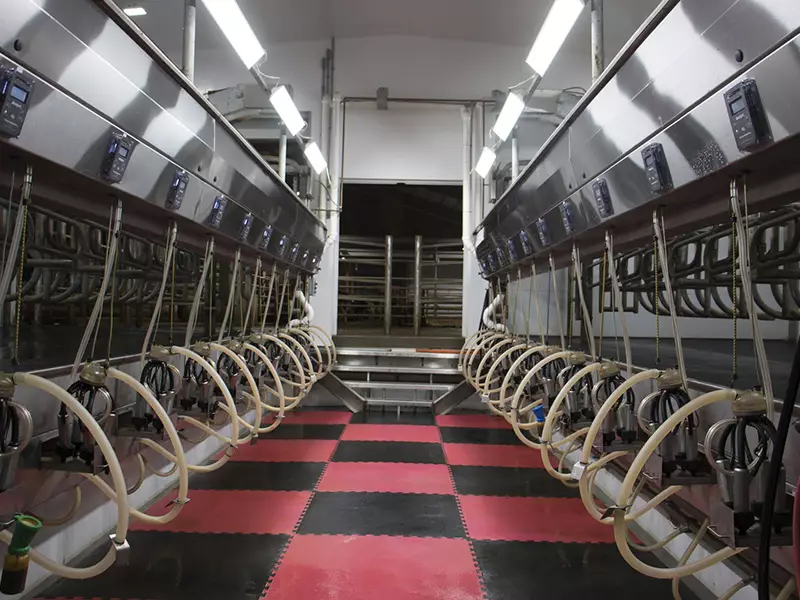
Another flaw is inadequate control integration. Farms increasingly expect dimming, zoning, and automation tied to milking schedules or motion sensing. Yet installers still deliver basic on/off hardware. That creates hidden user pain. For example, inconsistent color temperature can upset animal behavior, which in turn affects yield. Edge computing nodes that manage sensor data are rarely factored into the lighting budget. I’ve seen projects where the lighting vendor’s warranty excludes performance when third-party controls are used, leaving the farm responsible for replacements. Those contractual gaps matter. We must examine not only the fixture but the entire system: drivers, power converters, mounting hardware, and the control ecosystem.
New Principles and Future Outlook for barn led lighting
What’s next — smarter principles, not just brighter bulbs?
We should shift from component thinking to system thinking. New design principles emphasize integrated thermal management, robust ingress protection, and smart drivers that adjust lumen output based on seasonal cycles. I’ve been part of pilots that pair sensors with adaptive controls. The result: optimized energy use and more stable light quality. This approach uses edge computing nodes to process local data and reduce latency for control actions. It also requires specifying reliable power converters that tolerate voltage swings common in remote farm sites. The outcome is predictable service life and fewer surprise replacements — funny how that works, right?
Looking ahead, modular fixtures that separate optics, drivers, and sensors will make maintenance easier. Farms can replace a driver without swapping the whole luminaire. That reduces waste and lowers lifecycle costs. I recommend documenting the full system architecture during procurement: who supplies the driver, who owns the sensor firmware, and what the remediation path is if a component fails. We must also consider interoperability standards so new devices work with existing building management systems. If we evaluate solutions on system resilience rather than headline lumen numbers, we remove many hidden pains and create clearer accountability.
Conclusion — metrics to use and a closing thought
I want to leave you with three concrete evaluation metrics I use when advising clients on barn LED projects. First, measure total cost of ownership over expected life, not just initial purchase price. Include replacement drivers and expected lumen depreciation. Second, assess system resilience: ingress ratings, thermal management strategy, and compatibility with edge control modules. Third, demand contractual clarity on warranties tied to operational profiles and third-party control use. These metrics let you cut through marketing claims and measure what matters. I’ve advised farmers who thought they’d save a bundle only to face repeated failures; after we re-specified to these metrics, reliability improved markedly and operating costs fell. In closing, choose systems that anticipate the barn’s reality, not just manufacturer ideal conditions. For practical, tested solutions, consider consulting with a supplier that understands these nuances — I recommend looking into szAMB for their documented approach and system-level thinking.