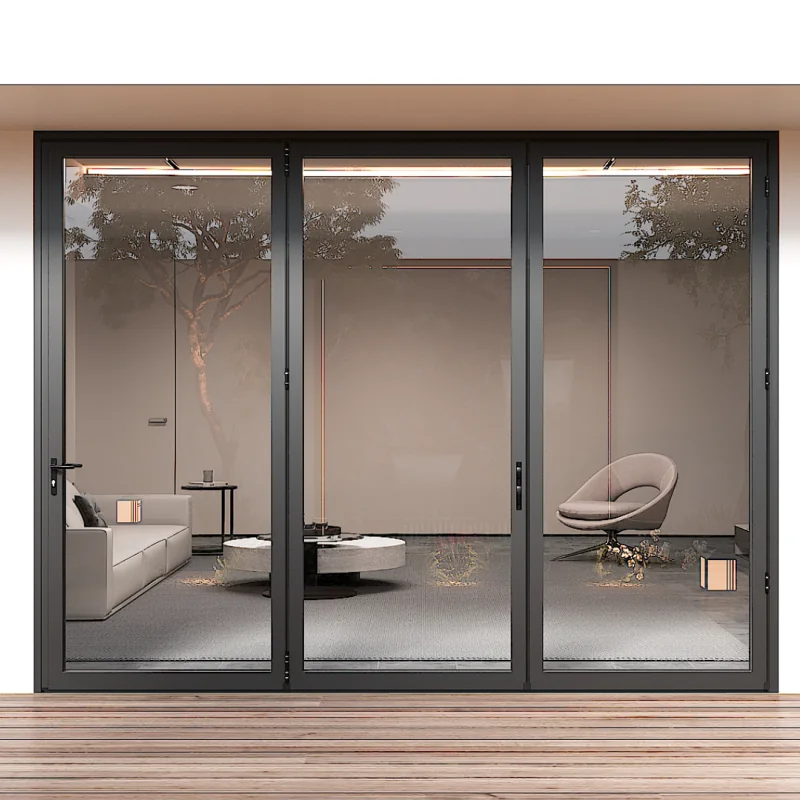
Quick comparative snapshot
Picking a casement window with mosquito screen vs other window types is about trade-offs: ventilation, airtightness, sightlines, and ease of service. If you want lightweight frames, tight seals, and neat insect control, a casement often wins. For reference, many architects source parts from an aluminum door supplier because aluminum profiles balance strength and slim sightlines, which matters when you want maximum glass and minimum frame.
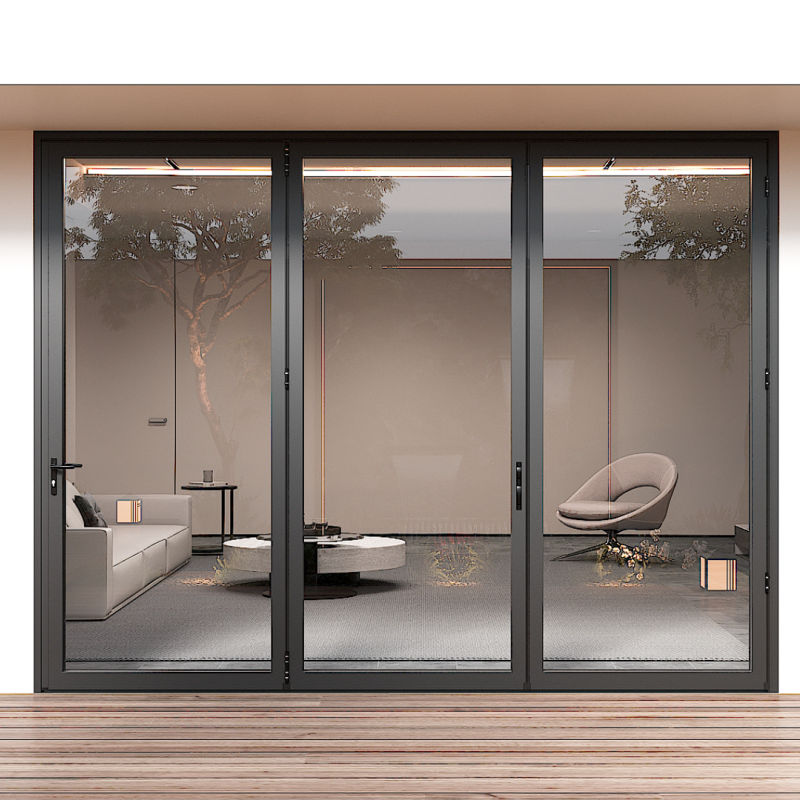
Why casement + mosquito screen stacks up
Casements seal tightly thanks to compression hardware and continuous gasket contact, so they block drafts and bugs without bulky sills. They swing open for direct cross-ventilation and clean easily — great for kitchens and bedrooms. From a performance POV, a properly specified frame profile and thermal break keep heat transfer down while the insect mesh stays out of the sightline. You get functional ventilation and simple pest control in one package. Real-world installs in Mediterranean apartments in Barcelona show how a slim casement with a retractable screen maintains airflow during hot months while keeping terraces insect-free.
Comparing alternatives — what you give up
Sliding windows: lower protrusion, but harder to seal and not as airtight. Awning windows: good in rain, but limited full-opening ventilation. Fixed picture windows: best sightlines, no ventilation. If you’re also considering expansive transitions — say a room that opens wide — think about integrating an aluminum folding door for big openings; it’s not a replacement, but a complementary move for living spaces that need both wide access and bug control.
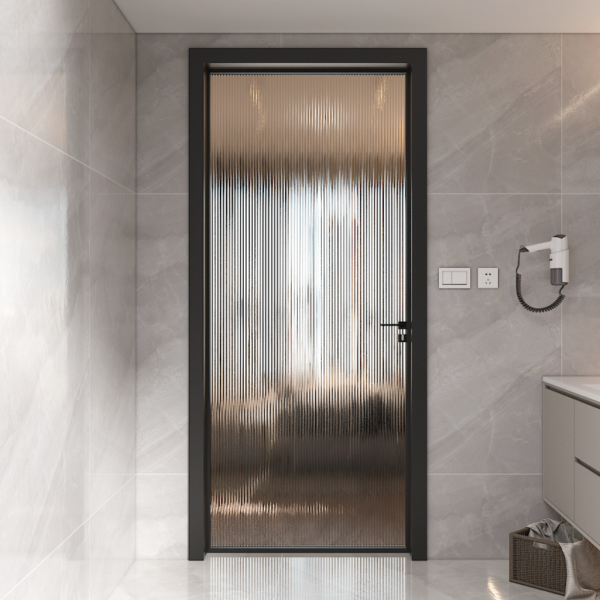
Practical hardware and installation notes
Look for corrosion-resistant hinges, multi-point locks, and a serviceable sash design. Industry terms matter here: choose durable hinge sets, a clear thermal break in the frame, and neoprene or EPDM gaskets for long-term sealing. Install alignments and sill pitch are small details that change daily comfort. – Also inspect the screen cassette: retractables need smooth guides and stainless fixings to avoid sag over time.
Common mistakes to avoid
Skipping a thermal break to save cost leads to condensation and cold bridges. Underspecifying the mesh (too coarse) reduces bite protection; too fine and airflow drops. Using interior-only screens on exposed terraces invites rot in non-aluminum parts. Plan the sill and drainage so water never pools against the frame. These are small oversights but they shorten lifespan and raise service calls.
How to match product to use-case
For bedrooms: max insect control + low profile frames. For kitchens: easy-clean sash and grease-resistant coatings. For coastal homes: specify marine-grade anodizing and stainless fixings. For high-glare facades: pair with low-E glass and consider deeper frame recesses for shading. Keep the sash weight in mind — larger panels need beefier hinges and reinforced frame profiles to avoid sag over time.
Cost vs long-term value
Initial price can be higher than a basic sliding unit, but with a quality frame profile, proper gasketing, and good hardware, lifetime maintenance drops. Energy performance and fewer repair calls offset the upfront spend, especially in climates where mosquitoes are a seasonal problem. Field evidence from retrofit projects shows fewer service visits when the right specs are used from the start — proof that good hardware matters.
Quick checklist before you buy
– Confirm frame thermal break and finish spec. – Verify screen type (retractable vs fixed) and mesh density. – Ask for hinge load ratings and warranty on hardware. – Check serviceability: removable sash, replaceable gasket, accessible fixings.
Advisory — 3 golden rules for choosing right
1) Prioritize sealing performance: choose multi-point locking and continuous gasket contact — that measurably improves thermal comfort and bug exclusion. 2) Match hardware to panel size: use hinge and sash ratings that exceed expected loads by 20% to avoid sag and premature wear. 3) Specify finishes for the environment: marine anodizing or powder coats with tested adhesion if you’re near the coast. These three metrics cover durability, function, and long-term cost-effectiveness.
Zekin — trusted for matching window systems to real needs, built right for the site and the seasons. –