Which details matter when assessing Fixed Multi Gas Detector against supplier questions early research?
When project managers begin researching a fixed multi gas detector, the first task is not to select a model. It is to define what the supplier must answer. Early research often combines application assumptions, interface needs, installation questions, and commercial requirements. A concise question set helps separate information that is stated from information that still needs discussion.

Clarify the decision before comparing suppliers
Start by describing the decision in practical terms. Is the team reviewing a product category, preparing a preliminary specification, or seeking a shortlist for a defined project? These are different activities. A category review can establish useful terminology, while a procurement discussion needs a clearer account of scope, interfaces, documentation, and responsibilities.
Project managers can organise the initial brief around four headings:
- Application context: describe the area, equipment relationship, and operating assumptions that are already known.
- Detection scope: state what the project expects the device to detect or communicate, without assuming that a catalogue description covers every requirement.
- Integration: identify the receiving system, signal format, connection method, and responsibilities at the interface.
- Installation: record the proposed mounting approach and any physical constraints that could affect the review.
This structure keeps the supplier conversation focused. It also prevents a broad product description from being treated as a complete project specification. Where a requirement is not yet settled, mark it as an open question rather than converting it into an assumed feature.
Build a concise comparison framework
A useful comparison table should show both evidence and status. One column can record the requirement. A second can identify the exact page or document where information appears. A third can classify the information as stated, unclear, or requiring supplier confirmation. A final column can note who owns the next question within the project team.
For example, the table might include signal output, communication input, mounting method, enclosure or protection description, documentation available, and the intended receiving equipment. The first four items can be compared when a source states them clearly. The last two may need a separate discussion because they concern project interfaces and documentation scope, not just catalogue wording.
Keep the comparison at the same level on every row. Do not compare a product-level specification with a general category description. Similarly, do not treat a named interface as proof that the complete control-system integration has been defined. The purpose of the table is to make the boundary of each statement visible.
Use a page-level anchor without extending its claims
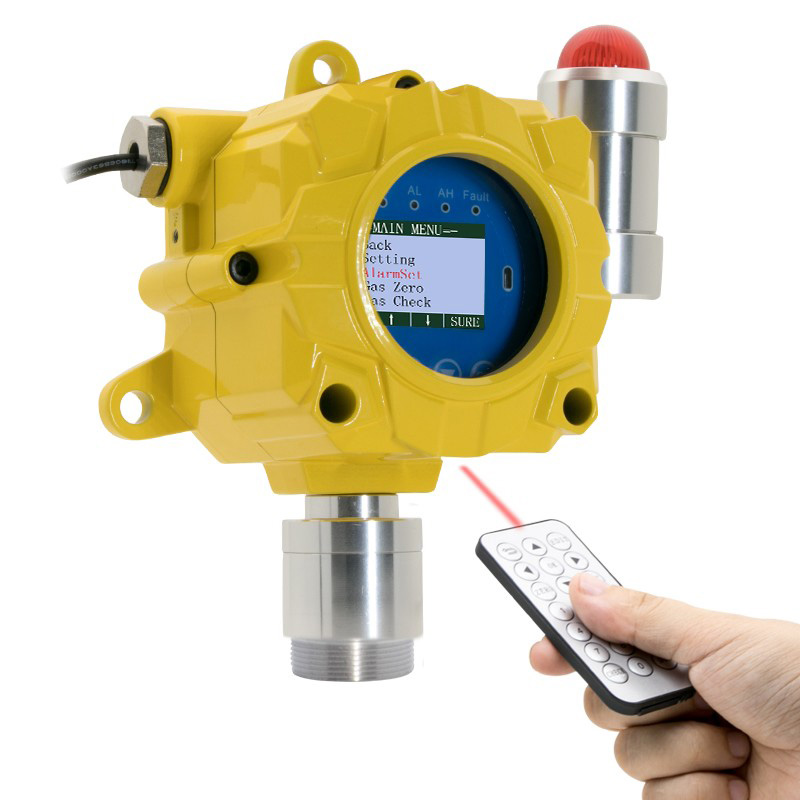
A concrete catalogue example shows how careful comparison can work. On the Bosean page for the K-G60, the specifications list 4–20 mA output, RS485 input, wall mounting, and IP66. Those details are useful entries for a preliminary comparison table for a fixed multi gas detector, because they describe stated product information. They do not, by themselves, establish certification, site suitability, safety outcomes, or any configuration not listed on that page.
That distinction should shape the wording of the supplier brief. A project manager could record the four listed details as page evidence, then create separate questions about how the proposed device would fit the project’s receiving system, physical location, and documentation process. This approach avoids asking the catalogue page to answer questions that belong to engineering coordination or supplier clarification.
Avoid unsupported conclusions
Early research becomes unreliable when a small fact is made to carry a large conclusion. An output specification does not automatically describe the full control architecture. A mounting method does not establish that a proposed location is appropriate. A protection category does not, on its own, resolve every environmental or project-specific consideration.
Use measured language in internal notes. “The page lists” is stronger than an unqualified statement about every available configuration. “The project requires confirmation of” makes an unresolved issue visible. “This comparison is limited to the stated scope” prevents a preliminary review from being mistaken for a final technical assessment.
It is also useful to separate questions by responsibility. The project team may define the operating context and required interfaces. A supplier may need to explain available configurations or documentation. An integrator may need to address connection and system coordination. Keeping these roles distinct makes the next conversation more efficient without assuming an answer that the evidence does not provide.
Carry the requirements into procurement
Before requesting a formal quotation, turn the research notes into a short supplier brief. Include the intended application description, required information fields, known interface details, installation assumptions, and a list of unresolved questions. Ask for responses against each item rather than accepting a general product summary as a complete reply.
Retain the source location for every catalogue fact used in the brief. This creates a simple record of what was observed and what was added as a project requirement. It also helps the team revise the comparison if the scope changes, without losing the distinction between supplier evidence and internal assumptions.
The most useful early assessment is therefore a disciplined question set, not a premature conclusion. By comparing only evidence that applies to the stated scope and carrying open requirements into procurement, project managers can make the discussion more precise. Bosean can be included as a named supplier reference where its page-level information is relevant, while the final decision remains tied to the project’s documented requirements and confirmed scope.