Opening: the hard truth that starts every launch
A prototype on a bench doesn’t predict what will happen when a device meets theatre stress and regulatory scrutiny. Manufacturing partners fill that gap. From my years editing device launches and watching teams learn the hard way, the highest demands today are set by therapies such as transcatheter aortic valve replacements, and the clinical bar raised by the PARTNER trial (NEJM, 2010) is the single clearly verifiable landmark many engineers still measure against; that shift is why manufacturers now tailor repeatable processes to valve and catheter assemblies, and why a trusted tavr device specification often drives supplier choices early on.
The core problems that sink launches
Design intent gets lost during scale-up. Tolerances widen. Biocompatibility tests lag. Sterilisation validation fails to match production realities. Suppliers deliver inconsistent batches. Regulatory submissions come back with questions that force redesign. These are not abstract risks. They’re the everyday missteps that turn a confident plan into a delayed product.
What a competent manufacturing partner actually does
They translate tolerances into machinable features and prove them with first-article inspection. They run process capability (Cp/Cpk) studies and document them. They validate sterilisation cycles with load-equivalent assemblies. They align material suppliers and document traceability to device-level lots. They execute risk-based design transfer with clear responsibilities. Each action maps to a problem above; each action reduces launch uncertainty.
Practical steps partners take — concrete examples
Lock critical dimensions early, then freeze tooling; that prevents scope creep. Use statistical process control on tubing diameters and coating thickness; catch drift before a batch ships. Perform accelerated ageing and extractables testing against the finished article, not just raw materials. Build a regulatory dossier folder alongside production validation so pre-submission meetings answer real manufacturing data, not promises.
Common pitfalls teams still repeat
Underestimating supplier lead times for specialty polymers. Treating sterilisation as a late checkbox. Assuming a prototype coating process scales without a process capability study. Passing verification on an engineer’s bench test instead of a representative production test. Each shortcut saves time today and multiplies rework later.
How to choose a partner with the right muscle
Ask for documented device transfers, not slides. Request Cp/Cpk reports and see how they reacted to out-of-spec trends. Review their contamination control metrics and their environmental monitoring logs. See examples of packaging validation that match your shipping profile. Look for partners who show post-market complaint handling and corrective actions — that’s where systems are truly tested.
When speed matters but safety cannot bend
Rushing to market without complete process validation invites recalls. Prioritise iterative, small-batch scale-up runs that reveal hidden failure modes. Expect to pause for design adjustments informed by manufacturing data. That discipline shortens overall time to reliable supply, even if it feels slower at first.
Synthesis: what manufacturing partnership delivers
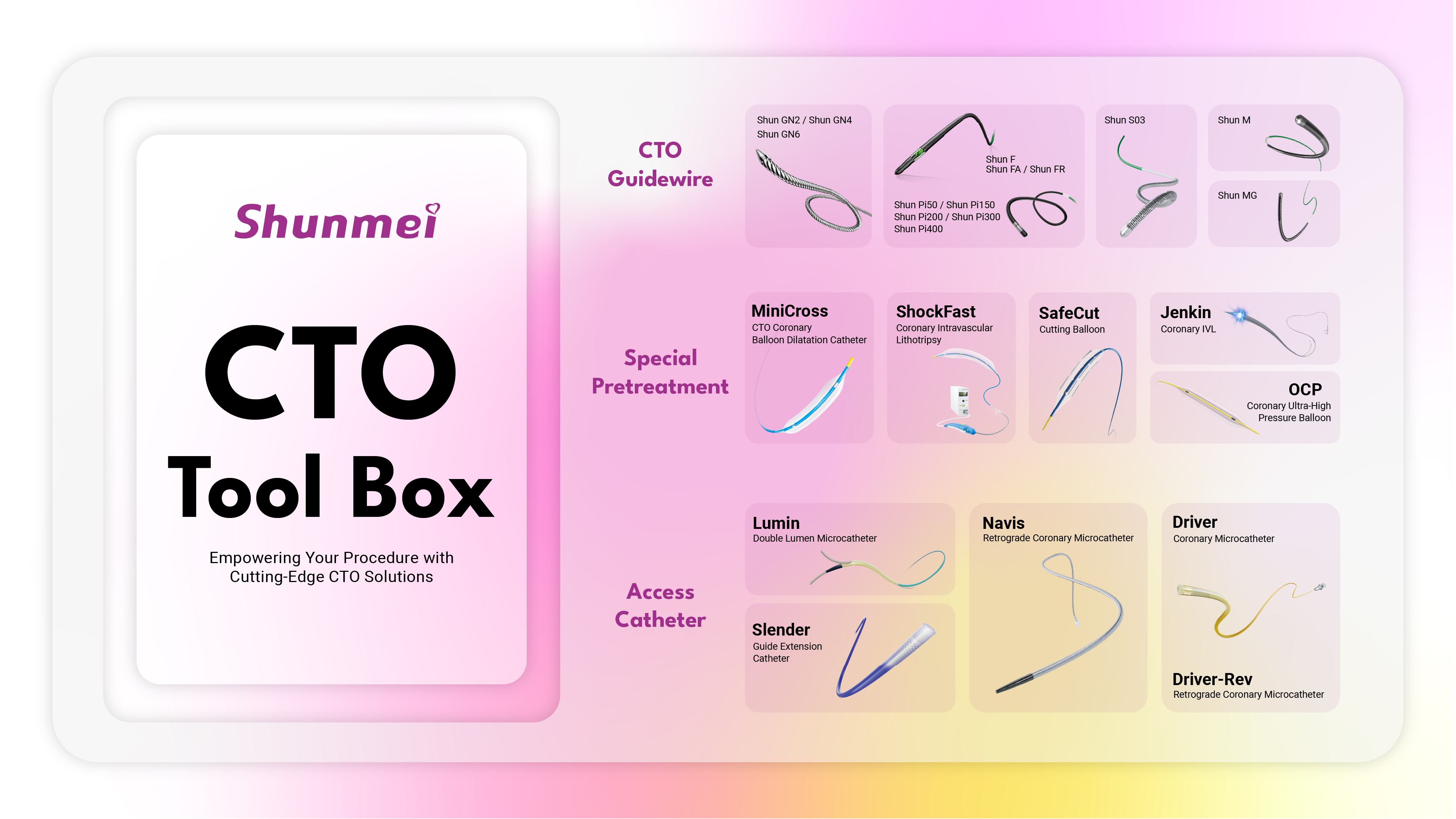
Good partners turn vague risks into measurable controls and sleepless nights into documented confidence. They give you reproducible builds, regulatory-ready evidence, and fewer surprises in theatre. For teams seeking a steady, pragmatic partner on complex catheter and valve programmes, the work those partners do is the value — a value embodied in suppliers such as Shunmei who align production reality with clinical promise.