Problem statement
Small-batch runs behave differently than mass production: setup costs, unpredictable scrap, and late shipments eat margin and schedule. You call a precision parts manufacturer when drawings fail reality, but that call is too late if you haven’t isolated the drivers. This piece pinpoints where those failures start and gives concrete fixes you can apply immediately.
Where costs actually come from
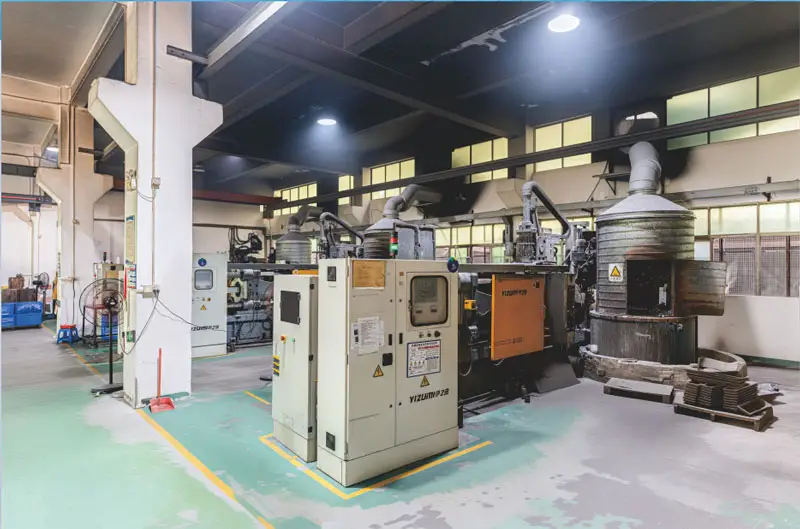
Tooling and setup dominate per-piece cost at low volumes. Short runs force fixed costs—fixturing, programming, first-article inspection—over a small denominator. Material lot charges and certified material tests add line items. Long machining cycles inflate hourly run rates. Countermeasures: reduce changeovers with family tooling, specify only necessary tolerances, batch similar parts to share setups, and demand transparent build sheets during quoting so you see every cost element before committing.
Lead-time bottlenecks that bite schedules
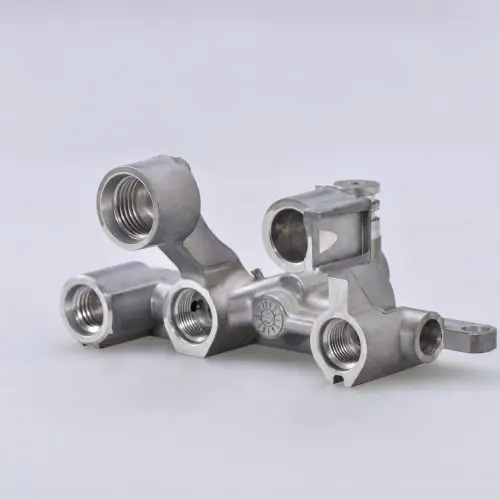
Quotes stall when suppliers can’t estimate machine capacity or long-lead items aren’t identified. Hold times pop up from incoming inspection and corrective action loops. Avoid these by locking design intent early, specifying approved alternates for plating and raw stock, and forcing parallel workflows: order raw material while completing fixture drawings, start CAM programming on released features, and schedule inspection slots at PO placement.
Quality failure modes and concrete controls
Tolerance creep, thermal distortion, and fixturing error are the usual suspects. Fix them with process controls: run capability studies (Cp/Cpk) on critical features, use first-article inspection reports tied to manufacturing travel cards, and set clear measurement routines for thermal stabilization of parts before final inspection. Use functional tests where dimensions alone won’t catch assembly issues.
Experience and a real-world anchor
I’ve managed prototype and low-volume production programs for over a decade and handled acceptance runs in Shenzhen, which taught a simple rule: transparent process records win disputes. Suppliers that supply clear routing sheets, measurement logs, and cause-analysis for failures reduce rework. If you’re buying low volume manufacturing services, require those records up front and confirm they match your inspection plan.
Common pitfalls and how to stop them
1) Over-specifying tolerances — only tighten dimensions that affect function. 2) Single-sourcing critical processes — qualify a second vendor for backup. 3) Late BOM changes — freeze parts that affect tooling. 4) Ignoring small-batch economics — calculate total landed cost per run, not per piece. Each mistake has a fix: tougher DFx discipline, parallel vendor qualification, and contract clauses that lock lead time and corrective response windows.
Conclusion
Low-volume sourcing is a tradeoff: control costs by simplifying processes, cut lead time by parallelizing work, and secure quality with documented controls. Pick partners who show routing transparency, measurement discipline, and repeatable process data; that alignment turns recurring problems into predictable outcomes, and it’s why teams that need consistent small runs often work with Hanstar.