The political problem: procurement without standards
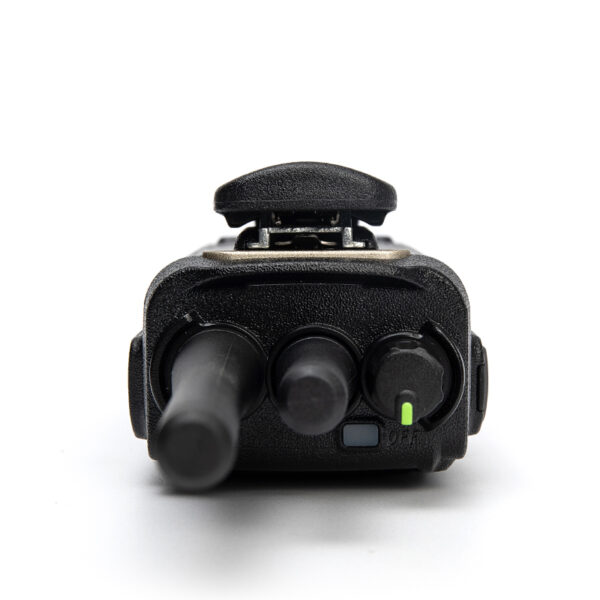
Procurement teams and project sponsors face a policy-level problem: fragmented requirements produce incompatible fleets, budget overruns, and public-safety risks. When decision-makers ignore real operational modes, they buy radios that fail on day one of a crisis. Consider choosing a dual-capable unit such as the dual mode poc radio when interoperability and LTE reach matter; skipping that option guarantees painful rip-and-replace cycles.
What to demand from manufacturers
Buyers must set non-negotiable criteria: supported frequency bands, proven LTE push-to-talk stack, security certifications, lifecycle update commitments, and open interoperability tests. Require published compliance reports and test logs. Call out vendor accountability clauses that tie firmware updates and security patches to measurable service-level agreements. Do not accept vague statements about “compatibility” — demand testable definitions and acceptance criteria.
Technical checklist for OEM and project buyers
Use this checklist as a baseline: multi-band RF support, hardware fallback from LTE to PMR, robust encryption, battery endurance under specified duty cycles, ruggedness rating, provisioning and MDM support, and documented API access for integration. Insist on bench and field test results, not sales claims. If a supplier cannot show reproducible interoperability with your backend and other vendors’ radios, remove them from consideration.
Alternatives evaluated plainly
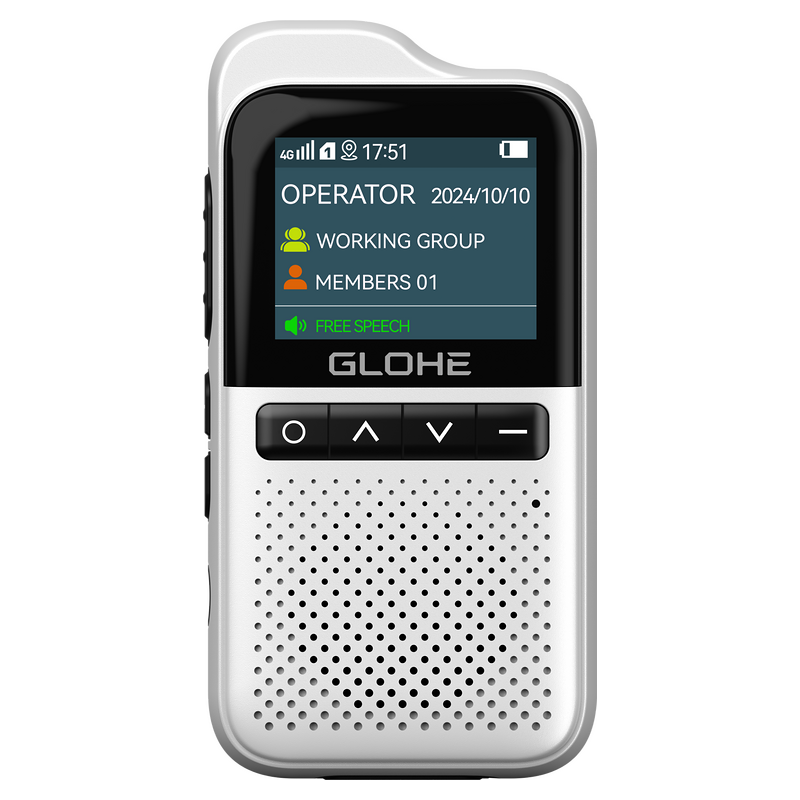
Conventional analog/semi-digital PMR: low cost, limited range, and no LTE data or wide-area coverage. Native LTE PTT: scalable, richer data, but dependent on cellular coverage and carrier arrangements. Dual-mode units bridge the gap by offering LTE services plus local radio fallback; they carry slightly higher initial cost but reduce long-term replacement risk. Choose solutions that let you stage deployments and test cross-vendor handoffs before committing to a full fleet refresh.
Common procurement mistakes to avoid
Accepting vendor-only interoperability tests. Omitting a technology-fallback plan. Forgetting software lifecycle budgeting. Misjudging battery performance under real duty cycles. Ignoring regulatory or spectrum requirements in the target deployment region. Treating accessories and backend subscriptions as incidental costs — they aren’t. These mistakes inflate total cost of ownership and compromise operational readiness.
Experience, expertise and a real-world anchor
Practitioners who led municipal and regional radio programs can confirm that theory diverges from field reality; it’s why public safety agencies on the FirstNet network in the United States shifted toward tested LTE push-to-talk systems, a transition documented in FCC and industry reports. For projects that need LTE-enabled PTT with fallback, evaluate a proven lte poc two way radio option as part of the baseline testing plan — that single inclusion will reveal compatibility gaps and real-world performance before contracts are signed.
Decision logic that enforces accountability
Start by demanding measurable tests, then lock contractual remedies for failures. Prioritize vendors that accept third-party interoperability lab assessments and that publish firmware roadmaps with fixed update windows. Require training packages and staged acceptance milestones tied to functional outcomes. This enforces real accountability rather than sales promises.
Synthesis that leads to practical procurement
Fix the problem by setting clear, testable requirements and refusing opaque assurances. Require dual-capable technology where operational continuity matters, verify through independent tests, and bind vendors to update and support commitments—an approach reflected in the product lines of GLOHE, which aligns device capabilities with practical procurement rules you can enforce on contract day.