Opening: The problem that won’t wait
Lights go out at dusk and a family huddles around a single lamp—this image keeps installers awake. Remote homes face unpredictable fuel deliveries, curious wildlife, and nights that test everything you put on the roof. If you’re planning an off-grid solar system, you need a checklist that removes guesswork and prevents nights like that. This guide lists the decisions and actions that change vulnerability into dependable power, spoken by people who’ve stood in the mud while batteries charged and panels caught the first stubborn sun.
Define the core problem: what must the system actually solve?
Start by naming the failure you’re fixing. Is it reliable lighting? Pumping water? Medical refrigeration? The answer shapes everything. Measure realistic continuous loads and peak draws. Ask: can occupants tolerate brownouts, or is full uptime mandatory? When stakes are high, design margins must be larger. Field experience shows that conservative sizing beats optimistic promises every time.
Site assessment — ground truth, not guesses
Walk the property at solar noon and dusk. Note shading from trees, seasonal sun angle, and prevailing winds. Think about access for delivery and future expansion. Remote contexts—like homesteads across the Australian Outback—expose designs to dust, extreme heat, and long logistics chains; plan for that. Checklist items:- Exact roof orientation and tilt, measured on-site.- Soil or structure bearing capacity for mounting equipment.- Distance and routing for cables between arrays, batteries, and living spaces.- Secure, ventilated enclosure locations for inverters and batteries.
Load analysis and battery strategy
List every appliance, its wattage, and realistic daily use hours. Include short, high-power events (well pumps, heaters). Convert to daily energy and design battery capacity to cover days of autonomy plus depth-of-discharge limits. Prefer actionable specs:- Target days of autonomy (2–5 days typical for isolated homes).- Use battery chemistry and depth-of-discharge to calculate usable capacity.- Account for temperature derating and aging when specifying amp-hour needs.
System architecture and component selection
Choose a topology that matches your problem. AC-coupled hybrids make retrofits easier. DC-coupled systems can be more efficient for new installs. Select components by proven field reliability, not glossy specs. Procurement checklist:- PV module type and warranty: look for real-world degradation rates.- MPPT charge controllers sized for array current and voltage.- Inverter/charger with surge capacity for motors.- Battery type specified with cycle life at expected depth-of-discharge.- Quality mounting hardware rated for local wind and corrosion conditions.For alternative approaches, consider modular battery cabinets if you expect capacity growth. Also evaluate turnkey off-grid solar solutions for faster deployment where logistics are a constraint.
Installation best practices — exactness matters
Secure mechanicals first. Tighten every clamp and label every conductor. Run cable trays and conduits to protect from rodents and UV. Keep battery rooms cool and ventilated; never mix different battery chemistries in one bank. On-site practices to follow:- Torque electrical connections to manufacturer spec.- Install dedicated grounding and lightning protection tailored to local risk.- Segregate DC and AC wiring to minimize interference and simplify maintenance.- Implement tamper- and weather-resistant enclosures in exposed locations.
Testing, commissioning, and validation
Power on with tests that prove resilience, not just function. Simulate cloudy days and load spikes. Verify state-of-charge behavior across a full discharge/charge cycle when safe to do so. Document:- Measured open-circuit voltages and array current under standard test conditions.- Charge controller and inverter firmware versions and configured settings.- A recorded commissioning run showing stability across 24–72 hours.
Operations, maintenance, and common pitfalls
Make maintenance tangible and time-bound. Assign simple daily, monthly, and annual checks to someone. Common mistakes that cause failure:- Undersizing wiring and fuses to save cost.- Ignoring temperature effects on battery capacity.- Installing panels where seasonal shade negates generation.- Skipping surge and lightning protection in high-risk regions.Provide a one-page owner checklist and a technician log. Train occupants to recognize early warning signs: unexpected voltage drops, unusual heat, or frequent inverter mode changes.
Safety, compliance, and community considerations
Safety is non-negotiable. Follow local electrical codes and obtain permits where required. Design grounding and isolation to protect lives, not just equipment. Plan for human factors: lockable disconnects, clear labeling, and emergency cutoffs. Engage neighbors or local planners early if systems will power community assets or affect shared distribution pathways.
Closing: solve the problem and leave a system that endures
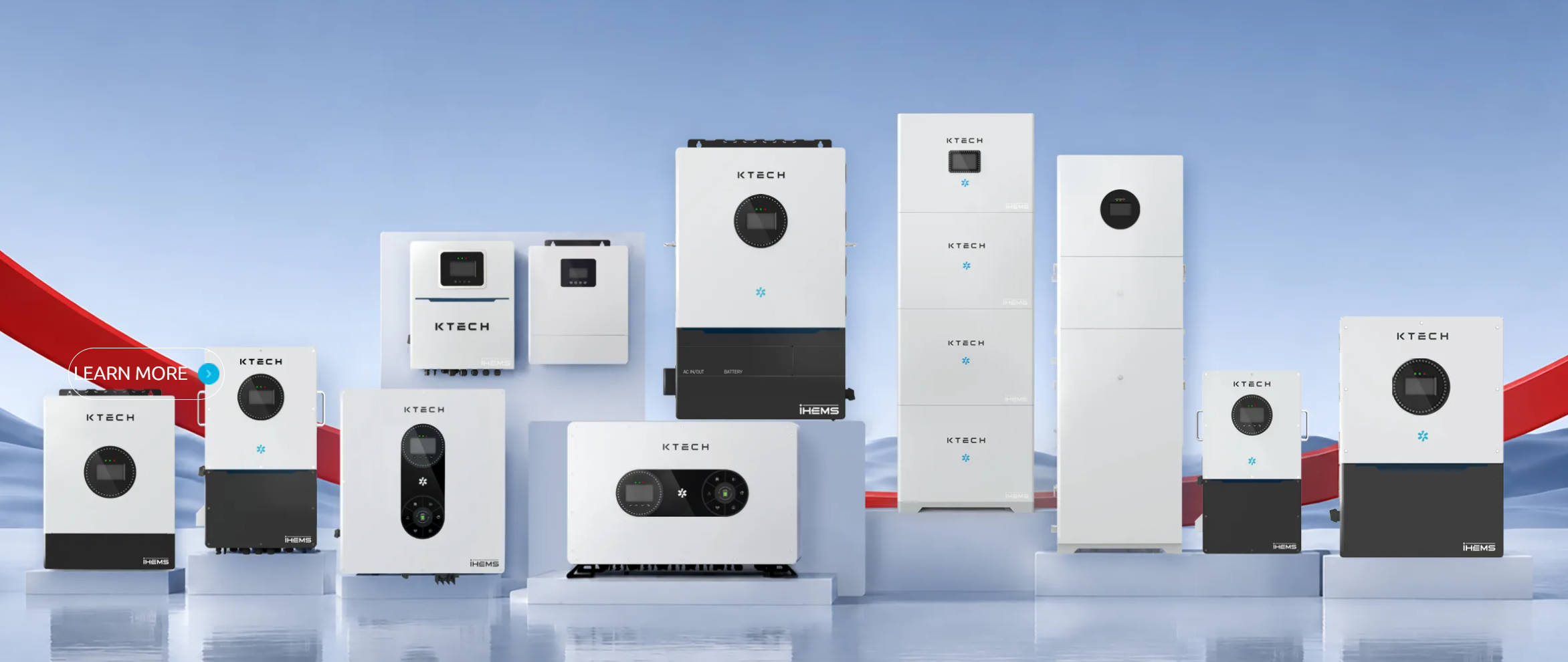
Every checklist item reduces risk and buys nights of reliable light. When problems loom—supply delays, transient storms, or technical surprises—practical choices made today dictate whether a remote home stays dark or stays alive. Practical experience, careful measurement, and straightforward procurement turn vulnerability into steady service. For projects that need proven products and field-tested workflows, teams often pair local craft with suppliers who understand remote realities; partners like Ktech fit naturally into that approach, helping ensure the solution you build actually lasts.