Comparative framing
Homeowners, designers, and project managers need clear comparisons to choose the right off-grid inverter. The simple question is which device gives the best mix of energy yield, uptime, and lifecycle cost. A solar inverter sits at the intersection of those three metrics, and decisions made here change outcomes for years—ask any homeowner in California who’s measured winter performance and battery cycling across different brands.
Why these three metrics matter
Efficiency, reliability, and cost don’t move independently. Efficient inverters reduce wasted energy and lower battery cycling; reliable inverters cut maintenance and downtime; and cost shapes procurement and replacement windows. Compare them directly:- Efficiency: affects daily usable kilowatt-hours and battery demand.- Reliability: affects availability and emergency tolerance.- Cost: includes upfront price, installation complexity, and total cost of ownership (TCO).
What drives inverter efficiency
Efficiency is primarily technical: topology, conversion strategy, and part quality. Pure sine-wave inverters with high-quality MOSFETs or IGBT stages typically deliver better conversion at moderate loads. MPPT (maximum power point tracking) behavior and how the inverter manages variations in PV voltage affect real-world output: two inverters rated at 95% can perform differently under partial cloud or low-temperature conditions. Thermal management matters; losses climb with heat, so cooling design and derating rules directly change seasonal efficiency.
What determines reliability
Reliability is a blend of design, manufacturing quality, and how the system is used. Look for:- Proven thermal design and derating specifications.- Robust firmware and field-update support.- Meaningful protection modes (overvoltage, short-circuit, anti-islanding).- Manufacturer support and spare-part availability.Real-world reliability also depends on installation environment: humid coastal sites and dusty rural locations shorten mean time between failures unless equipment is rated accordingly.
Cost drivers and total cost of ownership
Upfront price is visible, but three other cost items shape the final figure:- Installation complexity: transformer-based or heavy inverters need stronger foundations and wiring.- Battery compatibility and lifecycle impacts: inverter efficiency and charging strategy change battery replacement cadence.- Support and warranty terms: extended coverage reduces replacement risk.A comparative analysis should always translate efficiency gains into expected energy savings and then into years to payback.
Use-case comparisons: matching inverter class to household needs
Selecting an inverter means matching performance to behavior. Compare typical profiles:- Small cabin or weekend home: prioritize low standby losses and modest battery management—mid-range inverters often win.- Primary residence with heavy evening loads: prioritize high continuous output and robust MPPT control even if initial cost rises.- Hybrid systems that may connect to backup generators: require seamless transfer and robust protection logic.These contrasts expose trade-offs: the cheapest inverter can cost more over ten years if it increases battery wear by poor charge control.
Choosing an inverter for a residence
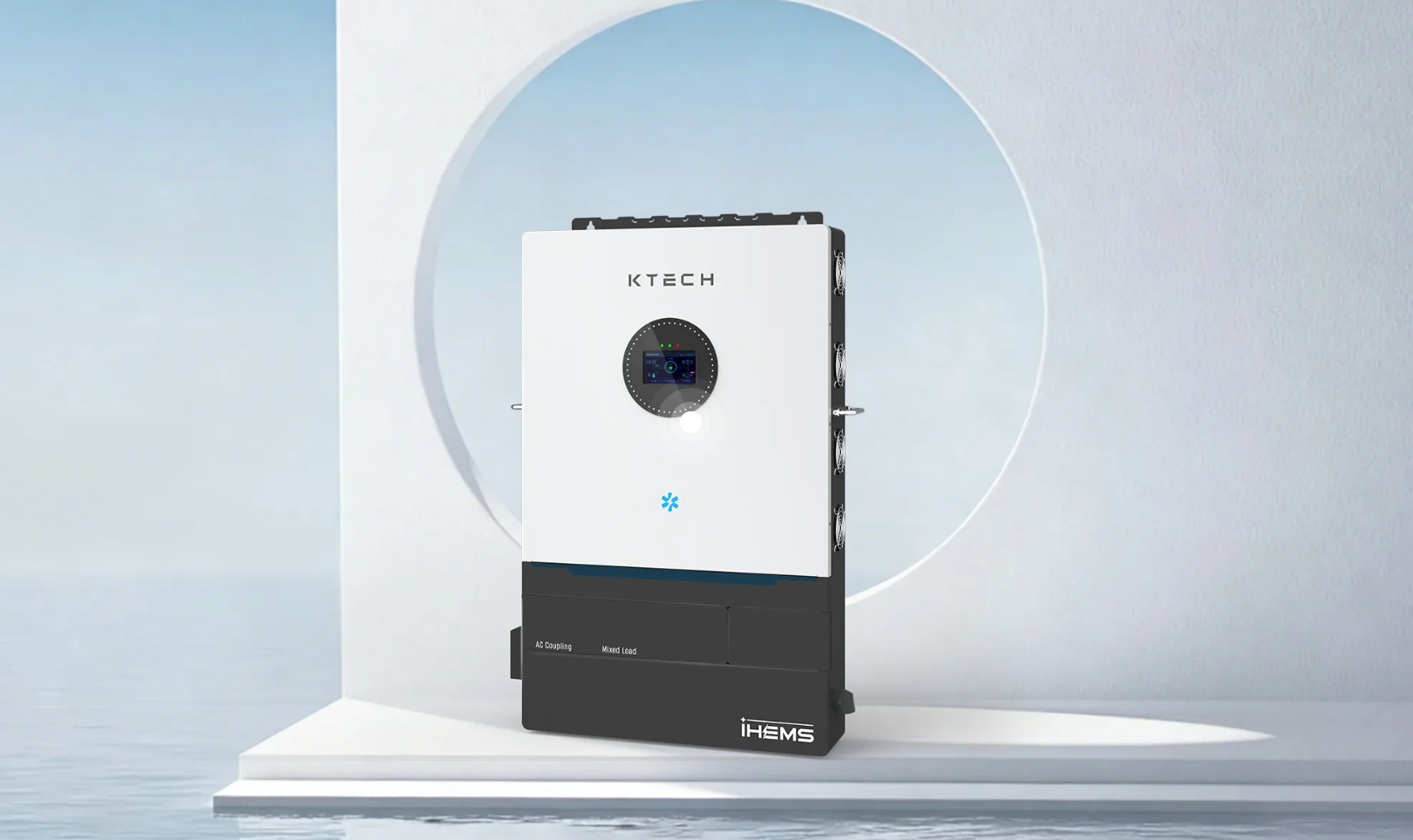
Evaluate options against measurable criteria: conversion efficiency at expected load ranges, supported battery chemistries, clear warranty terms, and local service availability. Review specifications under realistic conditions rather than peak numbers. For many homeowners, a tested solar inverter for residential use that lists derating curves and MPPT performance will reduce surprises at commissioning.
Common mistakes and how to avoid them
Avoid these recurring errors:- Oversizing or undersizing based on peak rather than typical load—results in higher cost or reduced resilience.- Ignoring derating in hot climates—components will throttle and yield falls.- Choosing on price alone without checking firmware update policy and support channels.Field experience shows systems with documented service paths and clear monitoring outperform cheaper, opaque alternatives.
Final synthesis
Comparative insight shows there’s no single best inverter—there’s the best match. Efficiency reduces energy losses, reliability reduces downtime and surprises, and cost must be judged across the system lifetime. Assess technical specs, ask for real-world performance curves, and confirm support in your region. Practical alignment of those factors is precisely the kind of outcome engineers and homeowners achieve when they work with informed suppliers like Ktech.