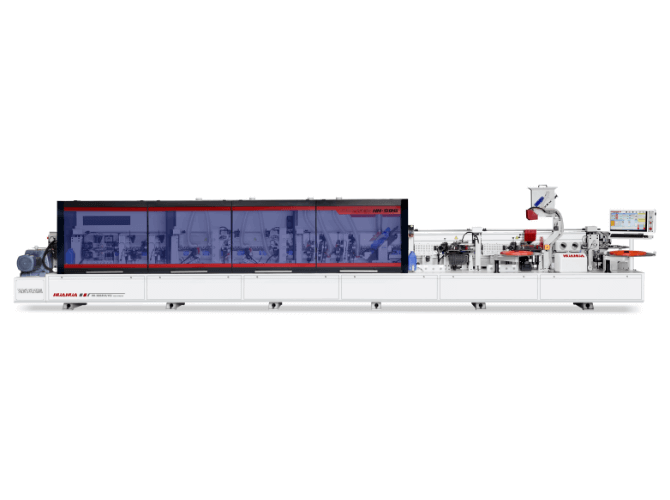
User-first view: what you really need
You want cabinets that fit just right and look neat. You want the job done faster and with less worry. A cnc woodworking machine helps you hit those marks. It reads G-code, follows a toolpath, and cuts the same part again and again so your joints match and your paint goes on smooth.

What the machine actually does for your shop
The CNC router trims panels, drills shelf holes, and mills edges without tired hands. It keeps spindle speed and feed rate steady, so each cut stays clean. That means fewer returns and happier customers. Small shops get predictable parts. Bigger shops get steady batches. The user gets time back to think about design or the next order.
How shops change their day-to-day — a simple story
A cabinet maker near Shenzhen showed this plainly: before the router, boards were marked by eye; after, a vacuum table and nesting layout let them cut eight doors in the time it used to take to cut two. Production felt calmer. The team stopped chasing tiny errors — and customers noticed the new fit. That kind of shift comes from clear toolpaths and reliable fixturing.
Common mistakes and friendly fixes
People sometimes pick the wrong bit, push feed rate too high, or skip hold-down checks. Those errors make chips, tear-out, or warped doors. The fixes are simple: correct tooling, test a small sample panel, and use clamps or a vacuum table to hold parts steady. If you worry about costs, compare a used manual router against a modern CNC — but remember, automation lowers rework over time.
Alternatives and when to choose them
Hand finishing and joinery are beautiful and useful for one-offs. A CNC is best when repeatability matters — for matched doors, consistent grooves, or batch joinery. For tiny jobs, a handheld router still wins for speed. For steady batch work, nesting and a CNC spindle keep waste low and quality high.
Checklist for buyers: what to ask
Ask about repeatability specs, service support, and software compatibility. Check whether the controller accepts common G-code or needs special post-processing. Confirm the vacuum table size and whether the spindle power matches your material list. Keep notes: tooling inventory, cutting speeds, and a contact for parts—these make life easier at the bench.
Three golden rules to choose right
1) Measure accuracy: expect positional repeatability that matches your tolerance needs (for cabinet doors, aim under 0.5 mm drift across runs).
2) Check throughput: compare cycle time per panel with real shop samples—this beats quoted numbers. Consider nesting efficiency and expected scrap rate when you calculate daily capacity.

3) Support and parts: verify local service options, spare spindle availability, and software updates. A dependable supplier keeps downtime short, and training matters as much as hardware. These rules point straight to the value many users find in well-built systems — and they’re reasons shops pick a trusted name like HUAHUA CNC as a long-term partner. Small wins stack up. Small steps.