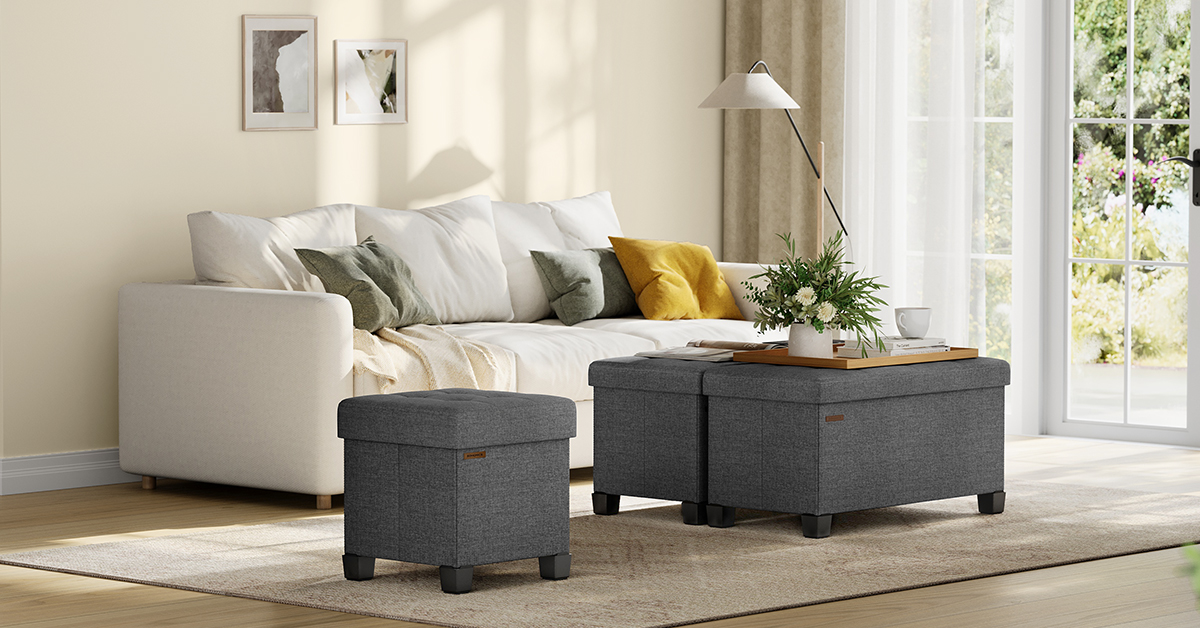
Intro: The Moment You Need More, Fast
Big drop day. Orders spike, the clock ticks, and the cart count jumps. You call your ottoman manufacturer to ramp up. The first batch looks fine, but week two brings slipping lead times and uneven seams. Returns inch up. A quick search for storage ottoman manufacturers promises “ready capacity” and “fast tooling,” yet the fine print—MOQ thresholds, QC tolerances, transit shock—starts to stack up. Data says furniture returns can hit double digits online, and even small defects amplify that. So what’s the real risk when you scale fast—on a product that opens, stores, and bears weight?
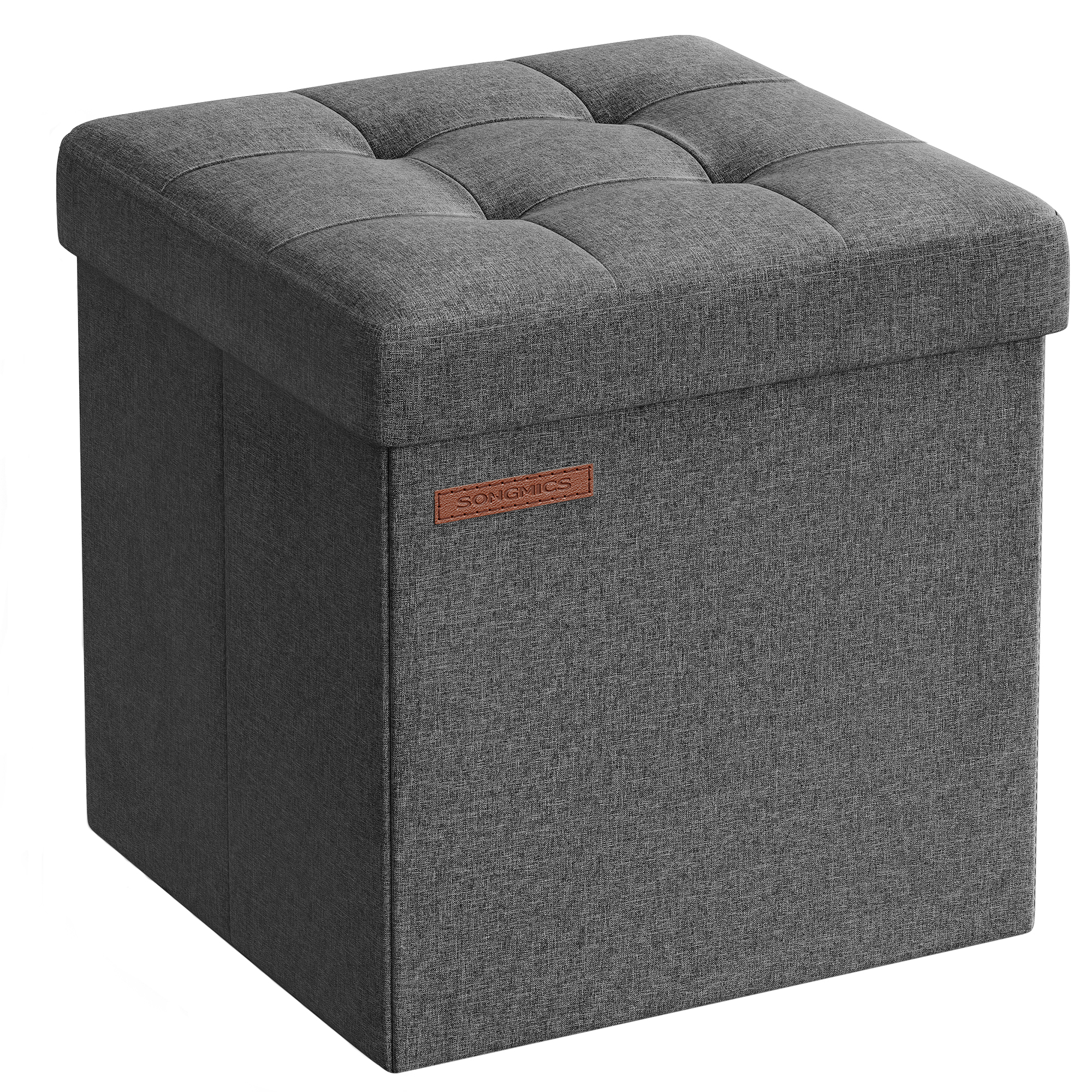
Look, it’s simpler than you think: misalignment between what your users need and how the factory builds. That gap shows up in hinge fatigue, fabric yield waste, and carton failures. It shows up in your reviews (and your cash flow). Are we ignoring the quiet costs baked into “rush and replicate”? Let’s break down the deeper layer and the trade-offs hiding in plain sight—then map a smarter way forward.
Where the Usual Approach Fails: Hidden User Pain Points
Most teams focus on surface polish and price. The deeper risks live in daily use. Lids slam. Corners scrape. Kids climb. Storage loads shift. Traditional sourcing assumes “one spec fits most,” but living rooms don’t. Small QC passes miss hinge cycle counts, foam rebound, and staple pull-out. Without load testing or carton drop tests, minor shifts become major issues in transit. And when SKUs balloon without SKU rationalization, you multiply risk while fragmenting inventory. The outcome is uneven: week one sells, week eight returns—funny how that works, right?
What are we not measuring?
– True storage safety: soft-close hardware and hinge torque over 10,000 cycles.
– Fabric durability: rub count plus seam strength, not just colorfastness.
– Box integrity: ECT rating and EPE foam spec, tuned to your route profile.
Missing these creates silent failure paths. A wobbly base isn’t just a defect; it’s a trust leak. Traditional lines also ignore indoor air rules; low VOC finishes and adhesives matter in small rooms. And when packaging isn’t tuned to the ottoman’s center of mass, corner crush rises. Add seasonal demand spikes and you get batch variation. ERP sync drifts, suppliers sub in parts, and tolerances widen. Users feel it before you see it in the dashboard—because homes are harsher than showrooms.
Comparative Outlook: Smarter Builds vs. Faster Bids
Scaling well isn’t about speeding the same process. It’s about changing the process. A fast bid often means fixed tooling, generic foam, and just-OK hinges. A smarter build uses CNC nesting to cut frames with tighter repeatability, standardized soft-close hardware, and targeted SPC checks on the hinge line. Add RFID lot tracking at the sub-assembly stage and you can trace failures back to a batch in hours, not weeks. Pair that with edge computing nodes on the press line, and you capture torque drift before it becomes rework. If your partner acts like an ottoman wholesaler with data, not just volume, you get fewer surprises—and steadier margins.
What’s Next
Future-ready shops link CAD-to-floor via a digital thread. That means your revisions flow straight to cut lists, bill of materials, and packaging specs. No stale PDFs. ISO 9001 isn’t a sticker; it’s discipline: first-article checks, incoming inspection plans, and tolerance locks for hinges and feet. Even small upgrades matter. Think: lid stays rated for cycle life, compliant adhesives for VOC, and base glides that protect floors. Yes, some of this sounds technical. But the win is simple: fewer defects, calmer ops, happier buyers. One more thing—when you build cartons around real route data, you cut damage by a lot, fast.
Quick recap without the echo: speed without control masks risk; storage loads change the game; packaging is part of the product. So how do you choose a path that holds up? Three evaluation metrics help: 1) Validation depth: Do they run hinge-cycle, load testing, and carton drops by route scenario with documented SPC? 2) Traceability: Can they track parts and fabric rolls to batches via RFID or ERP logs within 24 hours? 3) Variation control: What’s their process capability (Cp/Cpk) on critical points like hinge torque and seam strength, and how do they lock it during peak runs? Keep those three front and center—and your scale-up gets smoother, safer, and cheaper over the whole season. That’s the quiet win we’re after—because the living room will always tell the truth.
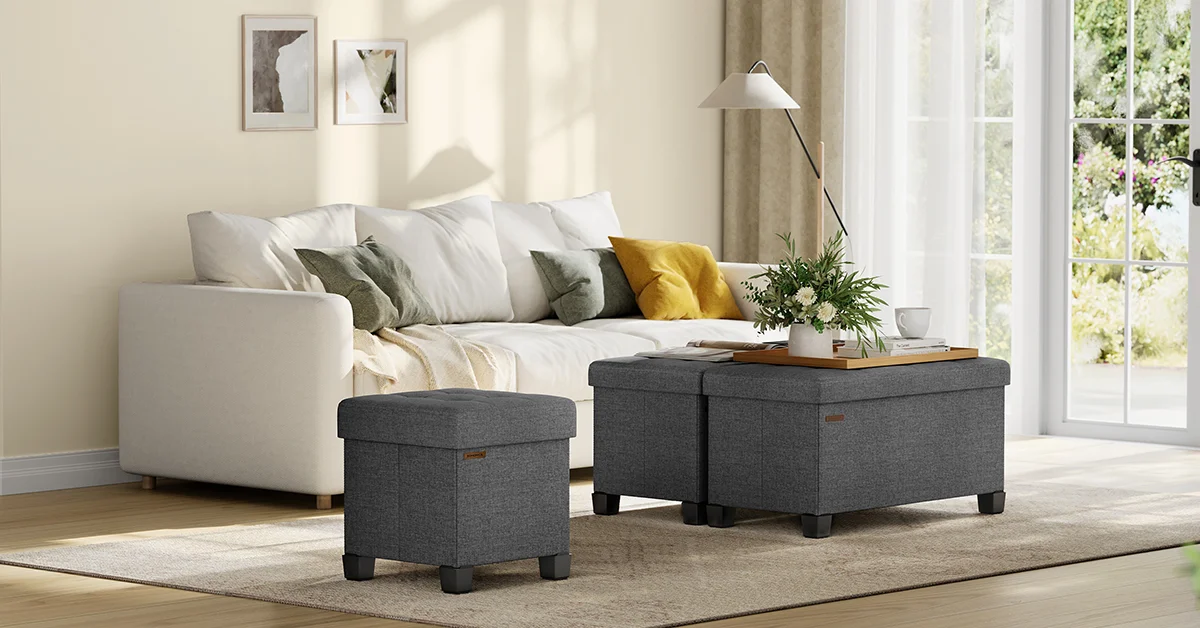
For teams comparing partners or leveling up existing lines, keep the bar practical and clear. Don’t chase every new buzzword. Tie tests to use, keep specs tight, and watch the returns curve flatten. Then iterate. If you need a reference point on living room builds and consistent category depth, see SONGMICS HOME B2B.