Introduction
Sound can make a meeting. Or break it. In the middle of the table, a conference room mic system waits like a quiet referee. Picture a glass-walled boardroom at 9:00 a.m., twelve people, one remote team on video. Air vents hum. Laptops click. Real life, not a demo. Studies show up to one third of meetings suffer from avoidable audio issues; some teams report 20–30% loss in comprehension when the room is noisy or voices overlap. That is not drama. That is friction. And it costs.
When minutes are precious, small audio misses grow. Words clip. Side talk masks key points. People repeat. The mind tires—voilà, decisions slow. Irony: we blame culture, not acoustics. But the channel is the message here. If the channel bends, meaning bends. So, what do we compare when we compare mic systems: parts, or the human experience under stress? (Both, honestly.) The bigger question: how do we ensure consistent pickup, clean gain, and low fatigue without turning the table into a lab bench? Let’s move from surface features to what truly shifts outcomes, and why—then we will see the practical next steps.
Where Delegate Units Struggle Under Pressure
What fails first when the room gets real?
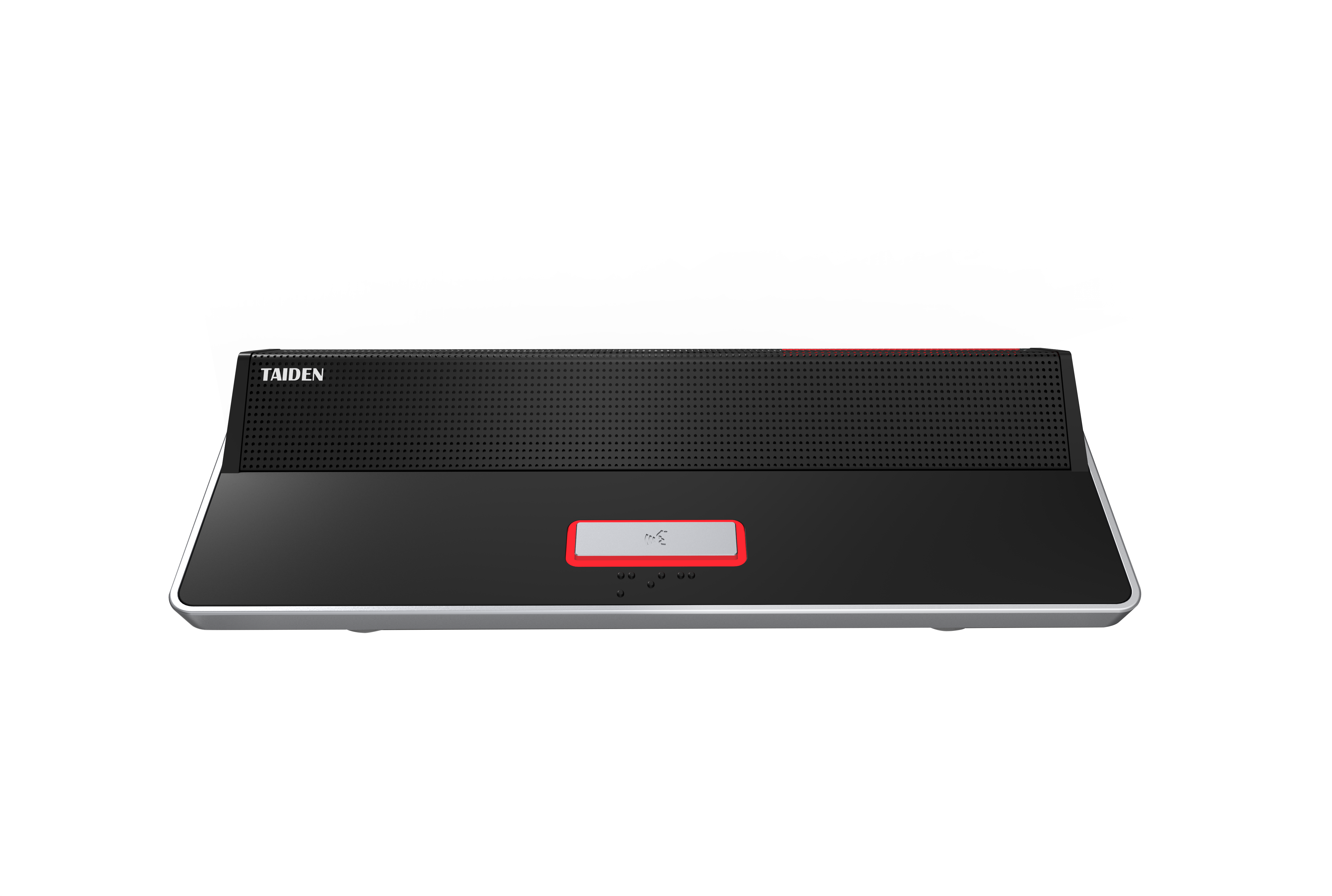
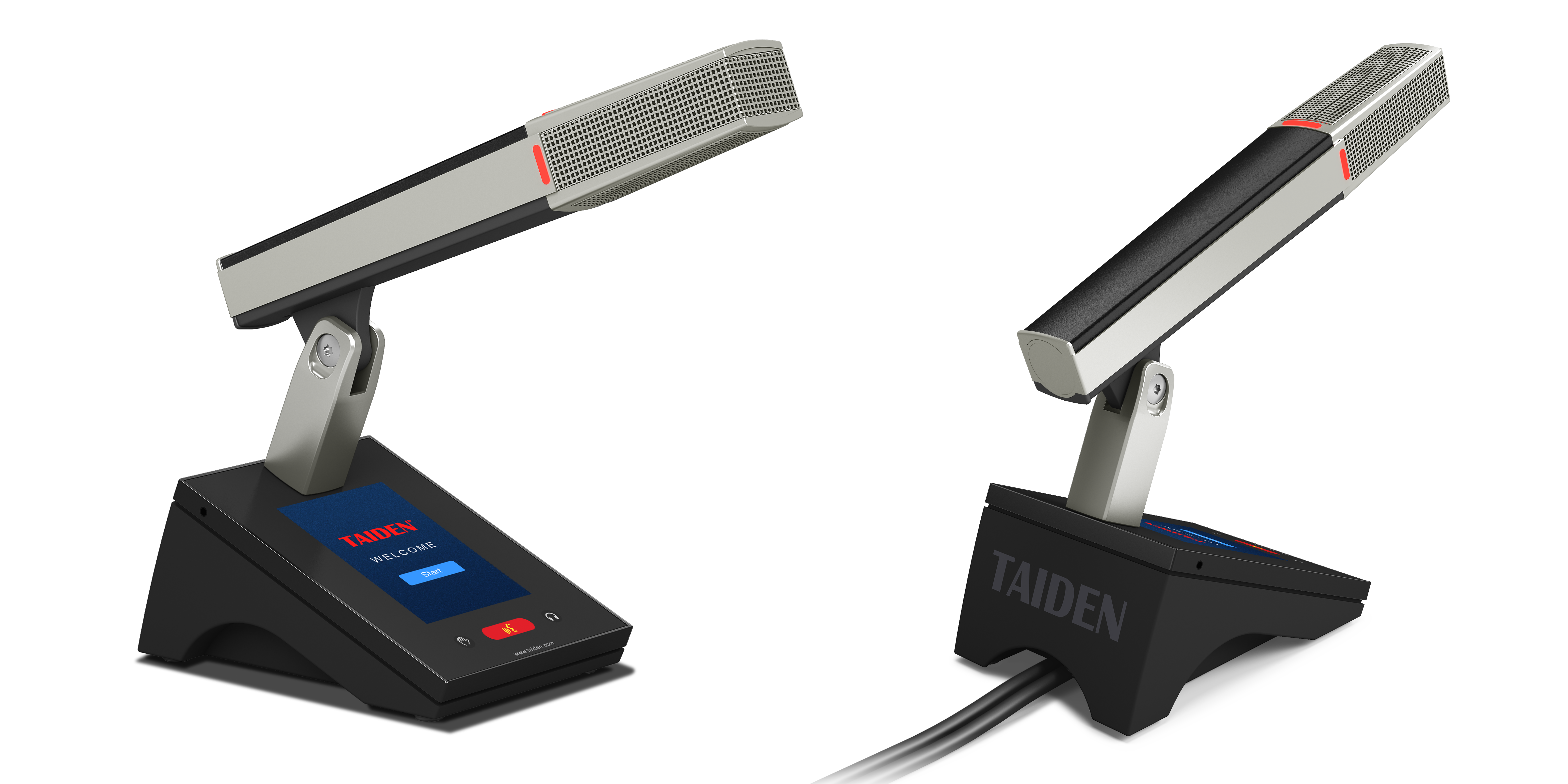
Earlier we covered the basics. Now, the classic delegate unit merits a closer look, because its strengths can hide its limits. The push-to-talk pad looks simple. The gooseneck gives clear intent. Yet load the room with fast dialogue and the seams show. Turn-taking becomes mechanical. People forget to press, or double-press, and timing dies—funny how that works, right? Gain structure gets conservative to avoid pops, so soft voices vanish. Without adaptive beamforming, the unit relies on placement, not context. If the seating geometry shifts, the pickup pattern misses edges. Meanwhile, the DSP and acoustic echo cancellation (AEC) run a safe profile, but that safety add noise gating that cuts tails of speech. Result: choppy feeling. Fatigue.
Look, it’s simpler than you think. Traditional units prefer certainty over agility. Cables fix positions. Latency budgets rise when audio rides through a central rack. If PoE power sags, headroom dips. AGC pumps on laughter and keyboard bursts. Even LED states confuse new users: am I live, or armed? In hybrid calls, the “local-loud, remote-quiet” imbalance widens because the mic preamp is tuned for close-talk, not soft off-axis talkers. And yes, standards like Dante help transport, but the behavior at the capsule matters more. If the room changes hour to hour—as rooms do—these fixed assumptions become friction.
Comparative Outlook: From Hardware Islands to Networked Intelligence
What’s Next
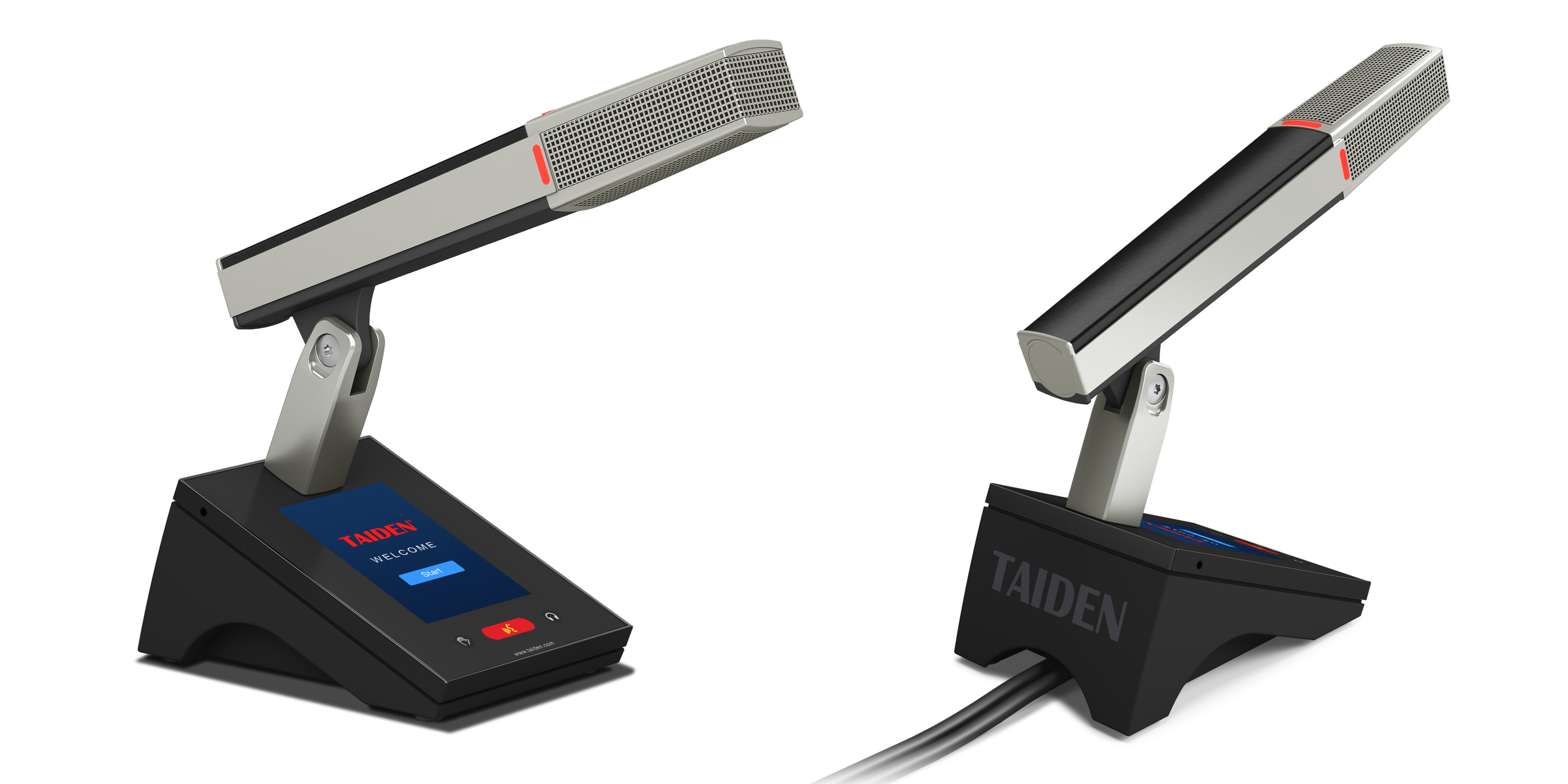
Let’s switch lenses. Today’s systems lean on new principles: listening that adapts. Instead of one mic per person locked to a button, arrays use adaptive beamforming to follow speech while rejecting air vents and chair squeaks. Edge computing nodes inside the mic head run low-latency DSP, so AEC and noise suppression happen before the network hop. Transport rides AES67 or Dante with QoS, but the heavy lifting sits at the edge—less roundtrip, more clarity. Power converters stabilize PoE+ input for consistent headroom (no surprise dips). And the automixer does intent modeling: it opens the best channel and softly closes the rest. The feel is natural. People talk; the system listens. When a room must still support a seated format, a modern discussion device can behave more like a smart node than a switch. Same table. Different brain—go figure.
So what does this change, practically? First, consistency. When seating shifts or a door opens, the array re-aims. Second, speed. With processing at the mic, end-to-end latency stays low, and remote talkers stop stepping on locals. Third, trust. Fewer missed cues means less repetition, lower cognitive load. We compared the old and the new: fixed talk-right-now control versus context-aware capture. The lesson is not that buttons are bad. It is that rooms breathe. Systems must breathe too. To choose well, keep three metrics in sight: (1) voice SNR at one meter after processing; (2) total latency, mic-to-speaker, under full load; (3) interoperability across AES67/Dante plus an open API for room control. Measure these with real people and real noise, not only in a lab. Then pick the tool that keeps meaning intact. In the end, meetings are human. The gear should serve that, quietly, every day. TAIDEN