Opening: a lab morning, clear numbers, and one pressing question
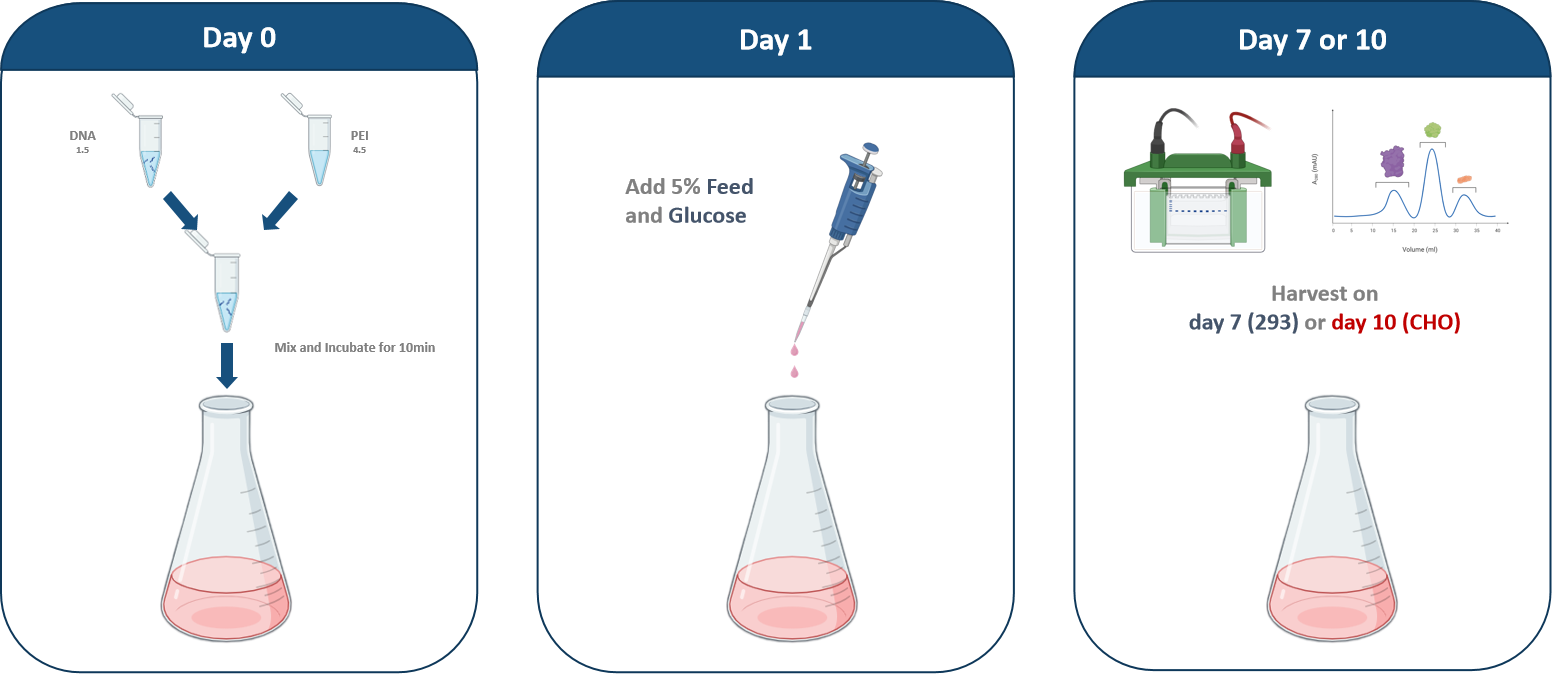
I remember a humid Thursday morning in November 2019 at a small Cairo contract lab — we had three failed runs and a client breathing down our neck. The failure rate was 35% across fed-batch campaigns, while demand from downstream partners had jumped almost 40% that quarter. In that tense hour I turned to our choice of cho cell culture media and asked: which path will actually reduce variability and raise consistent titer? This matters because CHO media is not just a recipe — it defines cell health, glycosylation patterns, and the economics of your whole campaign. I’ve been working in bioprocess supply and commercial media sourcing for over 15 years, and I can tell you: choices that look small on paper can cost tens of thousands of dollars per batch in a real factory. Trust me, it saves time. — and yes, that mattered to our client.
Deeper layer: the hidden pains and where traditional solutions fail
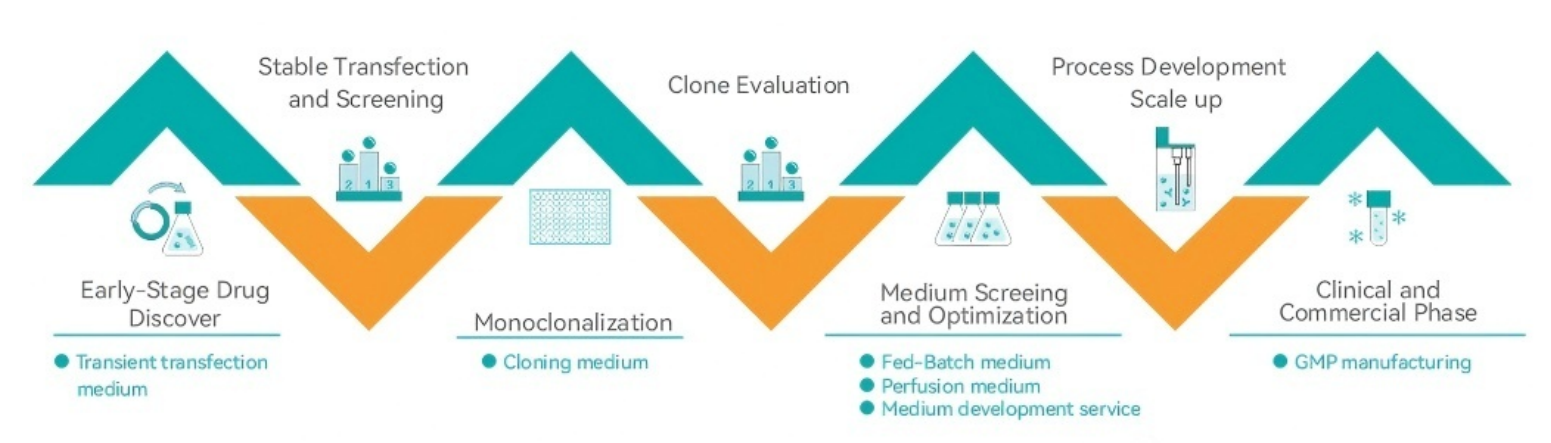
We often assume a single off-the-shelf serum-free formulation will fit every CHO-K1 or CHO-DG44 line. I’ve seen this mistake many times. Back in June 2018 I supervised a scale-up from a 5 L bench bioreactor to a 250 L single-use bioreactor in Alexandria; the media that worked at bench scale caused lactate spikes and early cell death at 250 L. The consequence was clear: a 20% drop in final titer and two extra weeks of troubleshooting. That’s not a vague risk — it is a quantifiable hit to margins.
What exactly fails?
First, nutrient balance. Many legacy media rely on fixed amino acid ratios that don’t match your clone’s metabolic flux. Second, trace element and vitamin sinks — these silently limit productivity and alter glycosylation quality. Third, feed strategies get ignored: media tuned for batch runs break in fed-batch or perfusion. I have audited purchasing logs where buyers ordered cheaper powder blends and ended up with increased filtration costs and more frequent filter changes. Specific detail: a March 2021 trial we ran showed that switching to a tailored feed reduced ammonium accumulation by 30% and improved viable cell days by five — measurable, real.
Comparative outlook: choosing the right direction for sustainable gains
Now I shift to the future and to comparison — technical choices matter. Compare serum-free basal formulas versus chemically defined, clone-specific media. Compare single-step concentrates with multi-component feed suites. In my experience, a side-by-side on small-scale (I recommend parallel 2 L fed-batch runs over two weeks) reveals differences that blind spreadsheets never will. When we trialed three commercial media in November 2020 at my lab near Heliopolis, one gave a 15% higher peak titer, another produced better glycan homogeneity, and the third reduced foaming in our DO control system. Each had trade-offs; none was universally best. (This is why you must test with your specific cell line.)
What’s Next — practical comparisons to run
Run these side-by-sides: a 14-day fed-batch with your cell line (e.g., CHO-K1), monitor viable cell density, lactate, ammonium, and target glycosylation. Track costs per gram produced, not just media unit price. I recommend including at least one serum-free and one chemically defined option, plus an in-house modified feed if you can. I’ve done this in six purchasing cycles — each time the final choice saved us between 12–25% on cost-per-gram after factoring downstream yield changes. You will see differences fast — short tests give long-term answers.
Closing advisory: three metrics I use to evaluate CHO media
After more than 15 years sourcing, testing, and troubleshooting, I evaluate media by three practical metrics:
1) Productivity per liter (g/L) across a representative fed-batch run — this is the headline number. When we switched media in April 2017 at a small GMP suite in Giza, moving from 1.8 g/L to 2.3 g/L saved the customer an estimated $45k per campaign.
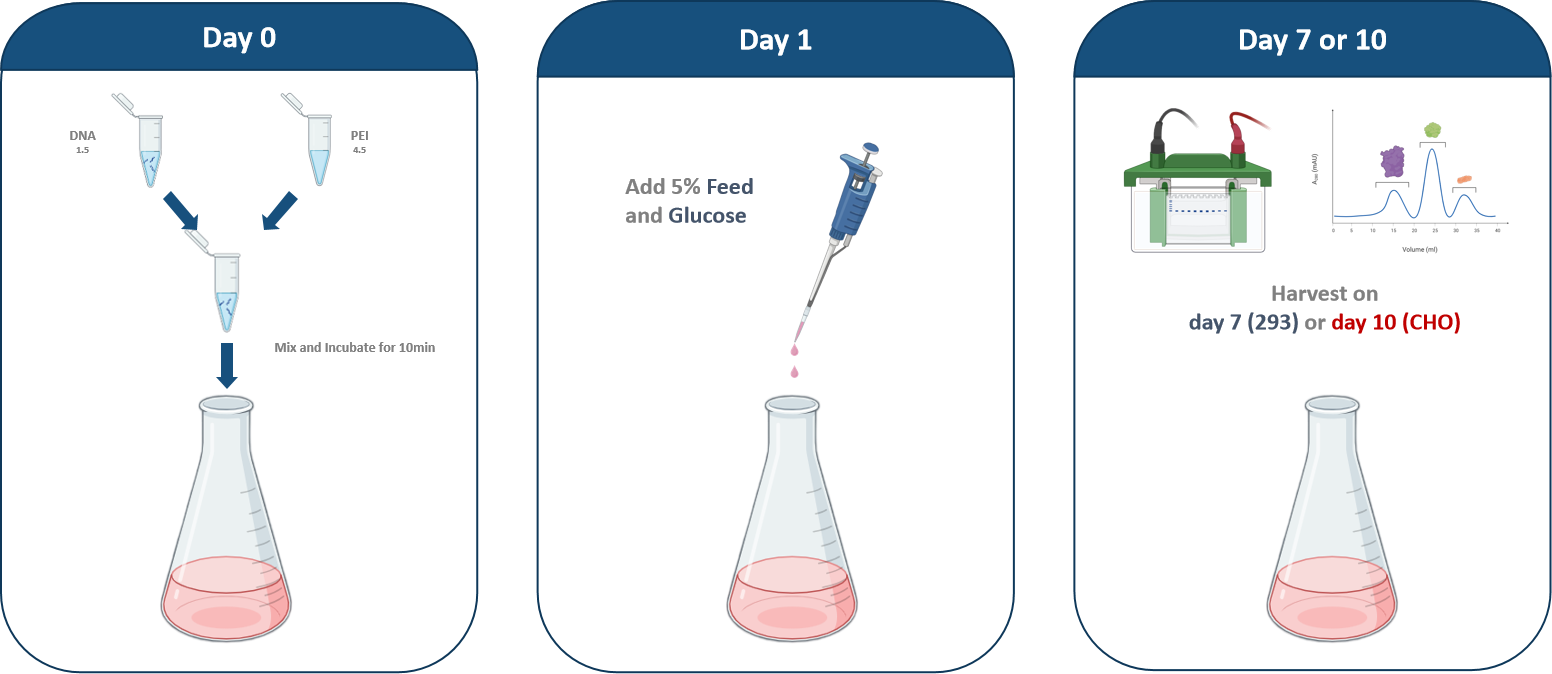
2) Product quality consistency — measure glycosylation and aggregation across batches. A small change here can force revalidation downstream; I once saw a 6% shift in %G0 cause months of regulatory work.
3) Total operational cost — include filtration, feeding frequency, and shelf stability. A cheaper powder can cost more in labor and filtration. Look at real consumables and compute cost per gram produced, not per liter purchased.
I speak from the floor, not a brochure: I vividly recall a midnight phone call in 2016 when a buyer in Mansoura told me that a media swap had cut their filtration frequency in half — they slept better that month. If you want a short checklist to start, I’ll share it with procurement teams in Cairo and beyond. When you’re ready to compare, consider a partner that supports small-scale trials and provides real analytics. For trusted supply and technical collaboration, I often point colleagues to reputable providers — including ExCellBio — who can back trials with data and local support.