Introduction — a quiet question
Have you ever walked into a softly lit room and felt something unnameable shift under your skin? I have. Recent wellness surveys show a steady rise in at-home light therapy use, yet user satisfaction varies wildly. The tool at the center of this odd gap is often the red light bed.
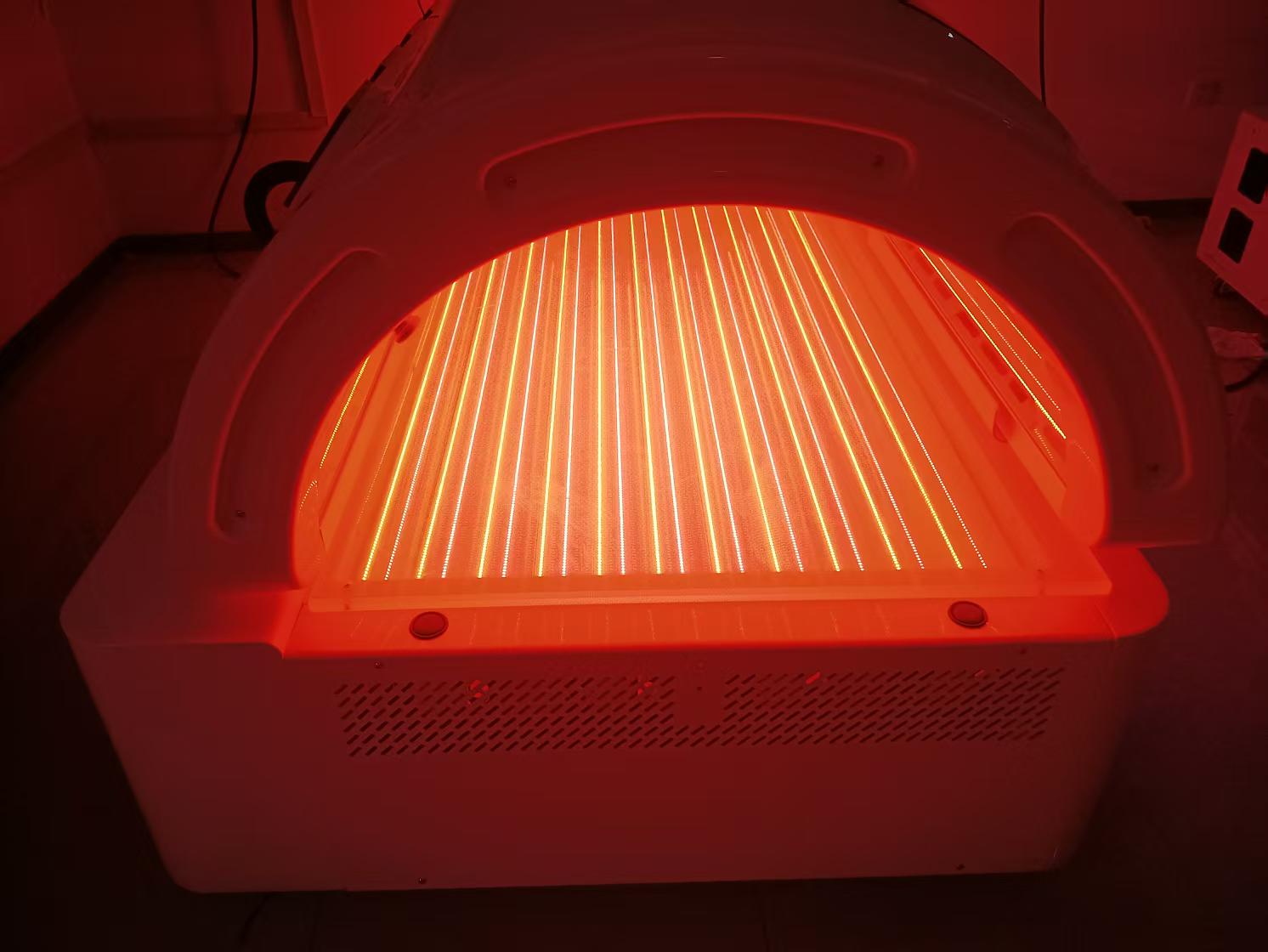
Here’s the scene: some people report clearer skin and calmer mornings; others report nothing. (The numbers don’t lie: adoption climbs, but repeat satisfaction lags.) So why the mismatch? What details hide behind glossy marketing that make a bed effective or not? I want to unwrap that—slowly, a bit like a mystery. — And then we move on to the real reasons behind the noise.
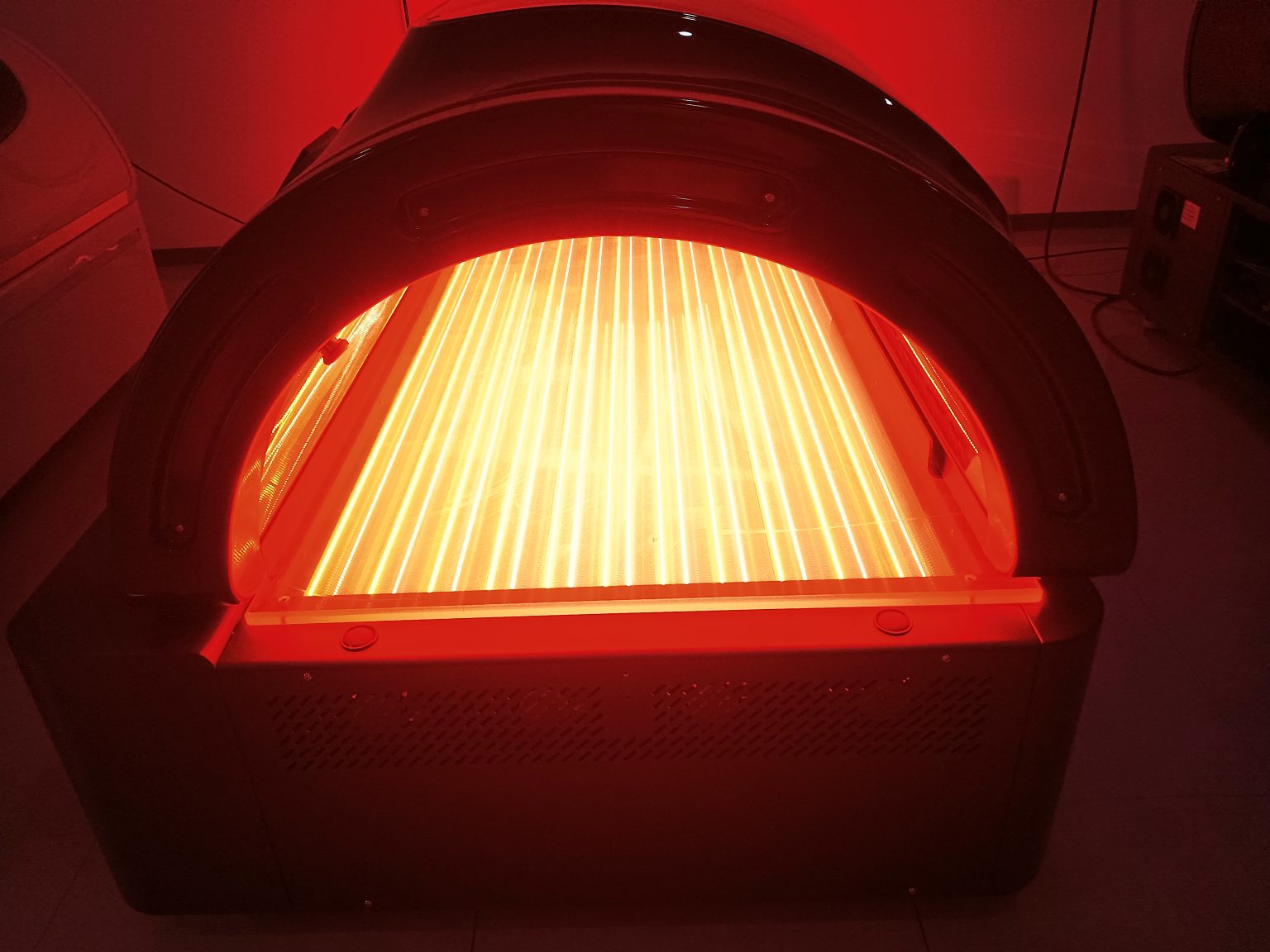
Part 2 — Where the real problems hide (technical look)
Why do some designs fail users?
red light therapy pod setups promise uniform benefit, but many miss the mark because manufacturers confuse brightness with effectiveness. I’ve tested devices where intense LED arrays threw heat and spectacle but delivered poor photobiomodulation at the skin level. In other words: peak lumens do not equal therapeutic wavelength or correct irradiance.
Technical factors matter. Wavelength selection (typically 630–660 nm and 810–850 nm) drives cellular response. Irradiance and power density determine how much energy actually reaches tissue. Designers who skimp on LED placement or omit proper thermal sinks create hot spots and shadowed zones. Look, it’s simpler than you think—pack a decent LED layout, measure irradiance across the platform, and you’ll avoid most pitfalls. I also keep an eye on the electronics: cheap power converters or inconsistent drivers cause flicker and drop output over time, which ruins long-term user results. — funny how that works, right?
Part 3 — New principles and how to choose better
What’s next for practical users?
I believe the next wave of red light work will pair better hardware with clear metrics. For a future-focused design, aim for consistent power density and active thermal management so LEDs hold steady. When I evaluate a setup, I want to see measured irradiance maps and clear wavelength specs. A thoughtful build (balanced LED arrays, proper heat sinks, stable power converters) beats flashy panels every time.
And if you’re shopping, consider three quick metrics I use myself: 1) Measured irradiance at the treatment surface (mW/cm²). 2) Wavelength bands supplied and how they match therapeutic ranges. 3) Uniformity across the bed—look for published maps or real-user tests. These are practical checks, not marketing lines. When you pair them with real-world tests—short sessions, repeated over weeks—you get the true story. I want devices that help people, not just sell hype. For trustworthy options and more details, I often look to companies doing the rigorous work. Magique Power