Why bother? Start from what you actually use
Listen, mate — if you lug a personalised kit bag or a trusty outdoor sports waist pack round the park or the worksite, you want it to last without fallin’ apart on the first downpour. This guide’s for the folks who actually use their gear: commuters, weekend hikers, coaches and market stall vendors — people who need their bag to behave, not look pretty in a shop window.
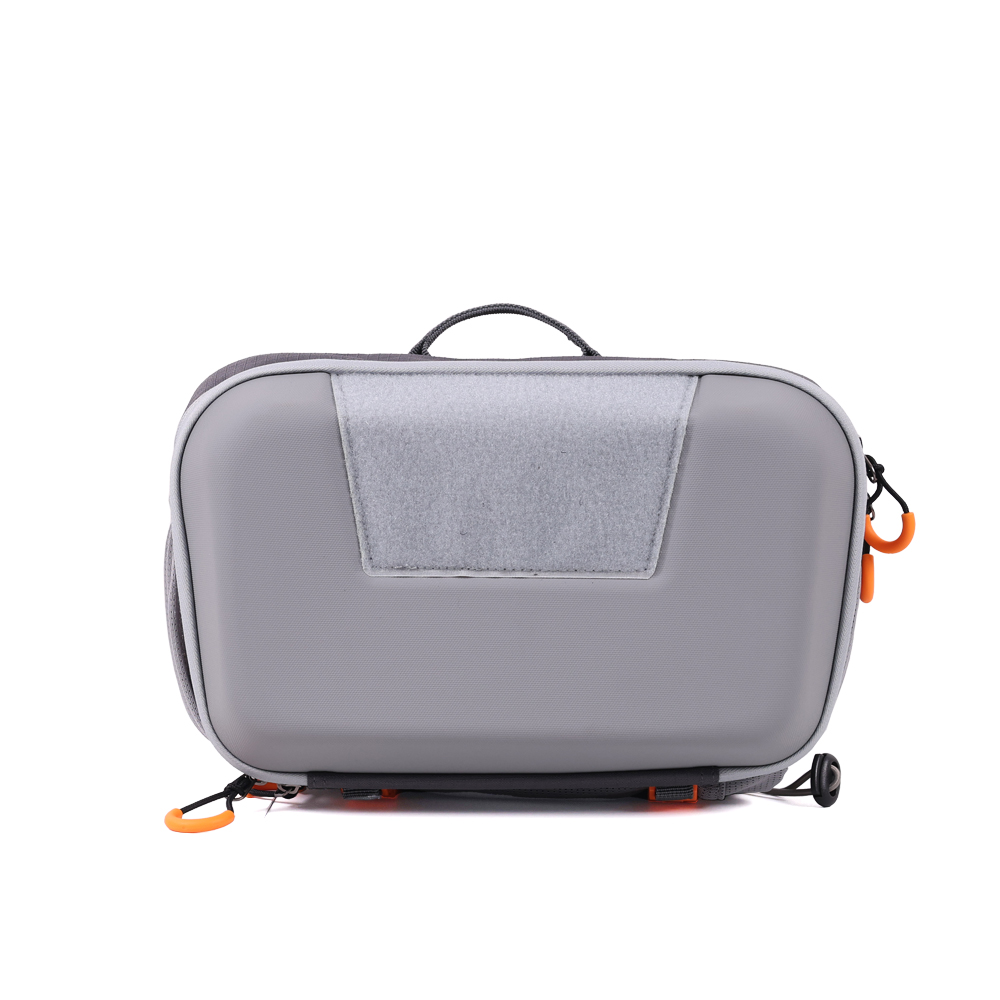
Quick inspection that saves time and grief
Give it a once-over before you head out. Check seams for splitting, zips for snags, straps for frays, and any foam or padding for compression. If a buckle wiggles or the lining smells like a wet dog, that’s a red flag. Note the problem, don’t ignore it — small fixes stop big failures.
Cleaning that actually works for different materials
Canvas, nylon, PU leather — each needs a different touch. Brush off grit, unzip pockets and shake crumbs into the bin. For canvas: lukewarm water and mild soap, blot rather than scrub. Nylon takes a gentle wash and air-drying; avoid tumble heat. PU leather? Wipe with a damp cloth and a dash of leather cleaner, then condition sparingly. Dry fully before storing. Never stuff a wet bag in a locker; mildew’ll set like a stubborn old bird.
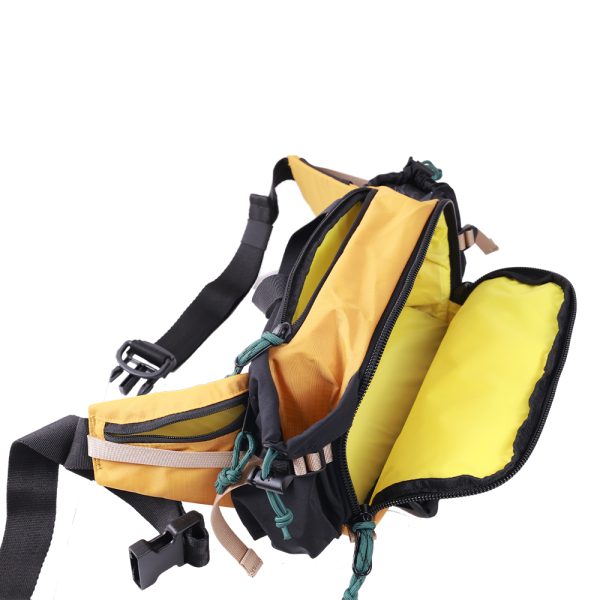
Repairs and service — what to fix, what to replace
Replace zippers, sliders and buckles early; they’re cheap compared with a ruined seam. Reinforce high-stress points with bar tack stitching or a dab of seam grip if you’re handy. Watertighting sprays help, but reapply after heavy rain. For custom logos, avoid harsh solvents — they eat prints. Keep spares of common bits: a replacement buckle, a length of webbing, a few heavy-duty needles and polyester thread.
Field-tested notes from the trail
I’ve run kit checks on weekenders and guided groups across the Lake District trails while testing load balance and fastenings; that hands-on work taught me what wears first and how folks actually fix it on the move. One reliable fix for waist-strap sag was tightening the secondary cinch and moving small weight into a chest pocket — the basic physics of balance. If you want something that survived those hikes, try a crossbody waist pack with reinforced seams and water-resistant zips.
Common mistakes that knacker the kit
Stuffing a bag beyond its capacity stretches seams and bulges threads. Using household cleaners on technical fabrics strips coatings. Folding a stiff-cored bag for storage cracks the shell. And for the love of all that’s right, don’t leave wet kit in a closed car overnight — mould happens quicker than you think.
Plan the bag’s lifecycle like a pro user
Set simple milestones: inspect after every three trips, deep-clean every two months if used weekly, replace high-wear parts annually or at first sign of material fatigue. Keep receipts and photos of modifications — useful for warranty claims or patching with like-for-like parts. When repairs outnumber utility, replace. Smarter to swap before a failure costs you a day out or a job.
Where ChangRong fits the routine
Use gear that makes maintenance straightforward — easy-to-access compartments, replaceable buckles, and materials you can actually clean in the field. That’s why experienced users lean towards makers who design with service in mind, the kind of sensible choices a proper kit supplier builds into the bag. For many users, the tidy balance of durability and serviceability rolls up proper with ChangRong.