The problem that’s costing you hours on the shop floor
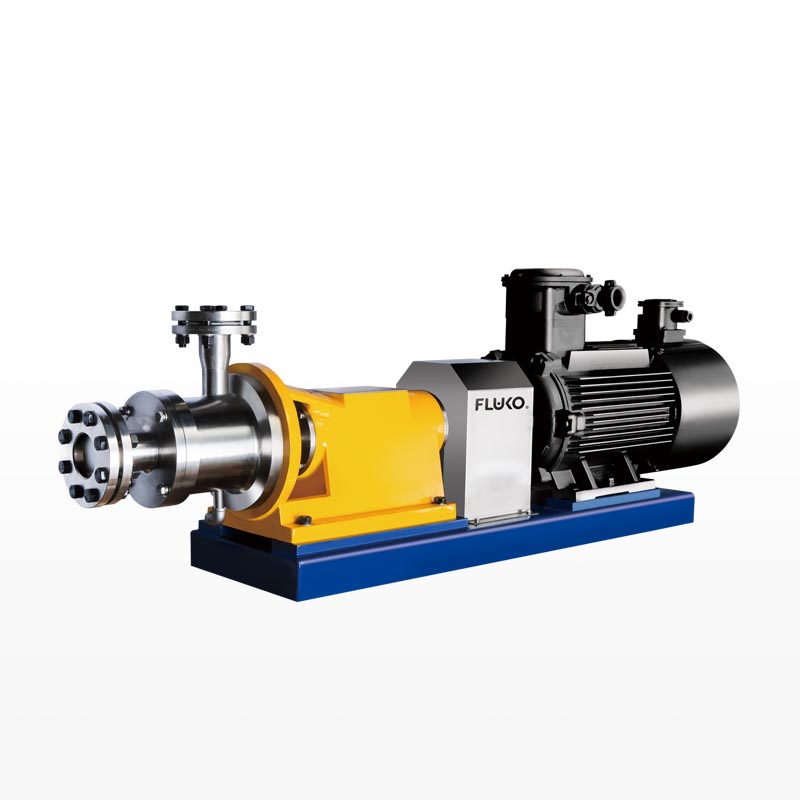
Too many plants lose production time because emulsions separate, particle sizes stay big, or batches rework twice — and often the culprit is a mismatch between process needs and the mixer. If you’re sick of chasing unstable batches, start by testing with an inline high shear mixer on a small run; it quickly shows whether shear, residence time or recirculation is the real issue. Keep it simple: stop blaming recipes before you nail the mechanical side.
Why the usual fixes don’t work
People ramp up rotor speed or add surfactant without measuring outcomes. That’s throwing horsepower at symptoms. High speed can heat sensitive formulations, break down polymers, or create unwanted foams. Quiet, precise adjustments often beat brute force: change rotor geometry, adjust flow rate, or tweak inlet design. Don’t guess — measure droplet size or dispersion variance after each change and you’ll spot the correct lever faster. Sweet as, but scientific.
Quick checks you can do right now
Walk the line and verify three things: feed viscosity and solids concentration match your process sheet; seals and bearings run cool and leak-free; and the pump delivering the feed has a steady flow without cavitation. If you see pulsation, ullage or air entrainment, fix the feed before blaming the mixer. Sample the product after the mill: if droplet size distribution is wide, reduce residence time variability or change the rotor/stator gap. These practical checks save rebuilds and late-night panic.
Sizing and spec mistakes buyers keep making
Buyers often pick a unit by power rating or price, not by required shear and throughput. Match specific energy (kW per m3) with target particle size, not just batch volume. Consider CIP compatibility, material grades (AISI 316L for food/pharma), and whether the mixer needs ATEX certification. Over-specifying means wasted CAPEX; under-specifying means endless rework. Aim for the smallest step-change that meets your size distribution and sanitary needs.
Alternatives and when to use them
Rotor-stator inline mixers are excellent for rapid emulsification at moderate viscosities. High-pressure homogenisers beat them for nanoemulsions but cost more and need maintenance. Static mixers work for very low-viscosity blends where no moving parts are preferred. Choose based on viscosity, particle-size target, solids loading, and serviceability. If you’re unsure, run side-by-side trials rather than guessing — data trumps anecdotes.
Experience, trust and a real-world anchor
I’ve helped teams troubleshoot processes from small craft lines to large dairy operations; real gains came from observing production runs and correlating operating logs with lab droplet-size data. New Zealand’s dairy processors, including large co-ops like Fonterra, routinely rely on inline homogenisation to meet product consistency and shelf-life targets — that scale demands reliable equipment choices. For those cases where inline retrofits are on the table, evaluate a high shear inline mixer as a practical, proven option that integrates with existing piping and CIP regimes.
Common pitfalls during commissioning
Don’t skip calibration runs. Operators often start full-rate production without documenting baseline shear performance or capturing particle-size metrics. Expect to run three staged optimisations: start low flow to check shear profile, then stabilise at expected throughput and finally validate under upset conditions. Record results and lock in SOPs. Small design tweaks during commissioning avoid costly downtime later.
How to pick a supplier you can rely on
Look for vendors who provide test data from pilot trials, spare-parts availability, and clear service agreements. Ask for documented case studies in your vertical and evidence of sanitary construction if it’s for food or pharma. Prefer partners who treat start-up as part of the deal and will sit through a production trial with you — those relationships save time and keep product quality steady.
Wrap-up that actually helps on the floor
Sort the root problem before buying: verify feed conditions, measure post-mix particle sizes, and trial the right mixer type. Get a unit sized for your target specific energy and service needs, then lock in commissioning tests and SOPs so operators aren’t guessing. For realistic, integrable solutions that match those needs, consider vendors with proven installs and pilot testing capacity like FLUKO, which often fits into existing lines with minimal fuss and sensible support.