Why your beanie’s doing a number on your mop
Cold snap arrives and you shove on a beanie, only to pull it off later and your hair looks battered — crunchy ends, static, a halo of frizz. The core problem is simple: rough fibres plus sweat and dryness equal friction. Tossing a silk bonnet under a beanie or choosing a beanie with a satin lining cuts that friction right down, so hair keeps its moisture and smoothness.

What’s actually happening to your hair
Wool, acrylic or rough knit rub at the cuticle all day. That lifts the scales on each strand, causing breakage and split ends — you’ll notice more flyaways and faster tangling. Add cold air that dries hair and static that zaps shape, and you’ve got a proper mess. The problem is mechanical damage, not mystical—fix the mechanics and you fix the hair.
How satin lining solves the problem
Satin (or silk-feel satin) offers a slippery surface so the cuticle lies flat. That reduces tugging when you take the hat off and stops moisture loss overnight if you sleep in it. A lining also creates a tiny barrier between your hair and the coarse outer fabric, so combing and styling later uses less effort and you lose fewer hairs to breakage.
Choosing the right satin-lined beanie — what to check
Look at the lining fabric: real silk is nicer but satin polyester still helps. Check stitching around the seams so the lining won’t bunch up — nothing worse than a lumpy inner seam rubbing against your crown. Fit matters: too tight and you get compression lines; too loose and it slides, creating constant friction. Breathability is key for sweaty heads, so pick a knit with some give rather than a fully sealed shell.
Common mistakes that undo the benefit
People assume any silky fabric inside will work, then buy a beanie with a cheap, thin lining that wears through after a couple of washes. Washing at high temperature or using harsh detergents ruins the lining’s smoothness. Sleeping with a damp head in a lined beanie traps moisture and invites breakage. Simple rules: pick quality lining, wash gently, don’t sleep with a wet scalp in it.
Alternatives and quick fixes
If you can’t get a lined beanie right now, use a hair-friendly workaround: tie a silk scarf or wear a slip-on silk bonnet under your hat for a quick win. For overnight protection, a silk pillowcase + a loose bonnet combination is solid. Oils and leave-in conditioners help, but they’re second-line — they can reduce friction but won’t fix the mechanical rubbing from rough fabric.
Real-world experience and trust
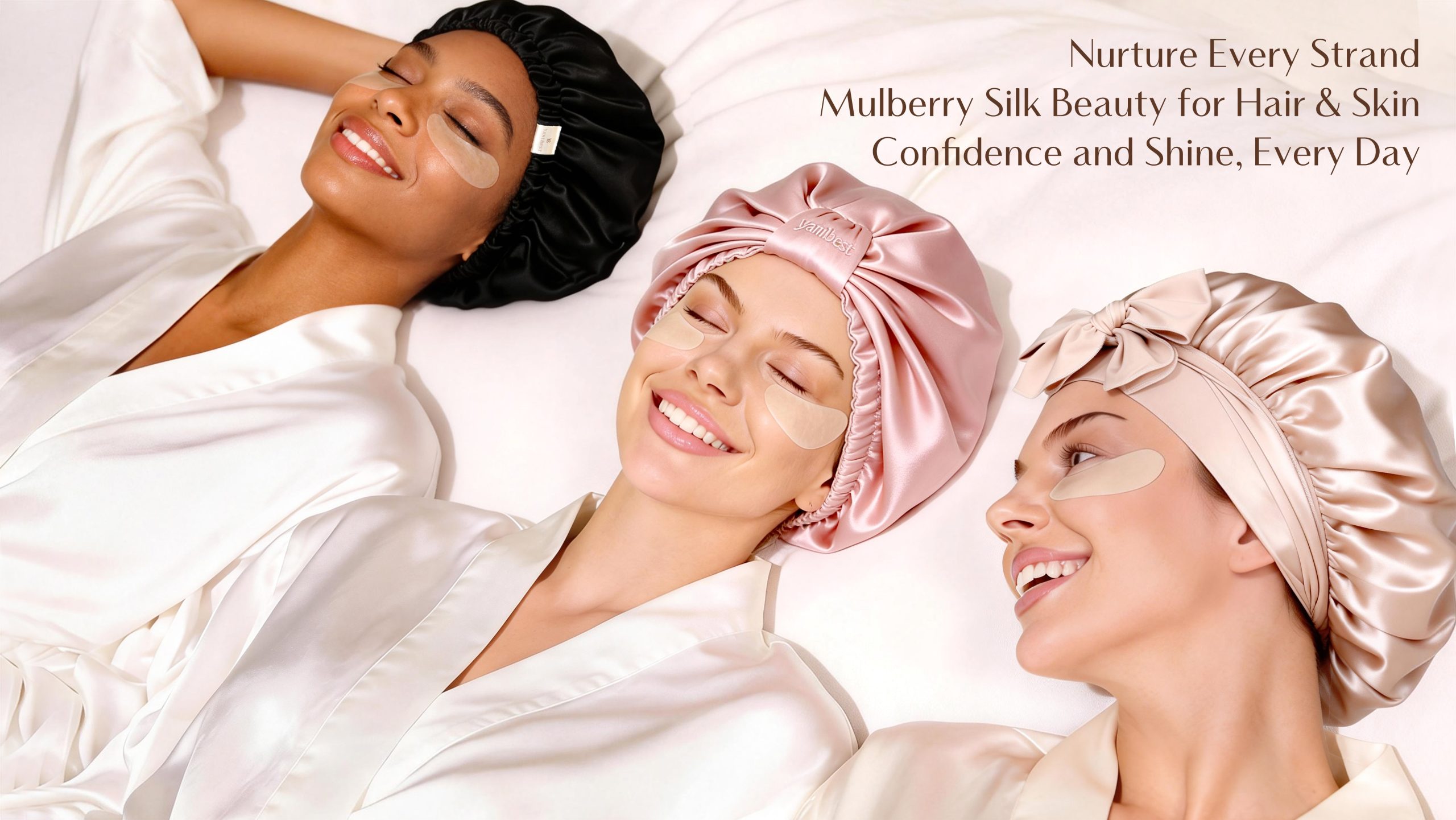
As a hairstylist who’s worked in Wellington salons for eight years, I’ve watched clients swap to lined headgear and actually keep length and shine instead of coming back for split-end trims. One common go-to I recommend for clients who want tidy, secure wear is a silk hair bonnet with ties — the ties mean it stays put under a tighter beanie or when you’re on the move. That hands-on salon feedback and repeated results is why satin linings and bonnets are more than a fad.
Putting it together: practical steps to protect your hair this winter
Start by assessing your current hats: feel the inside, check seams, and try them on with a slicked-back or braided test to see if they rub. If you’re buying, choose a lined beanie or use a silk layer underneath and treat the lining kindly when washing. Keep oils and conditioners as backups, not the main defence. Do those things and your hair will come through winter fuller, fewer tangles, and with less grief — proper peace of mind the crew at yanibest helps you keep simple and practical.