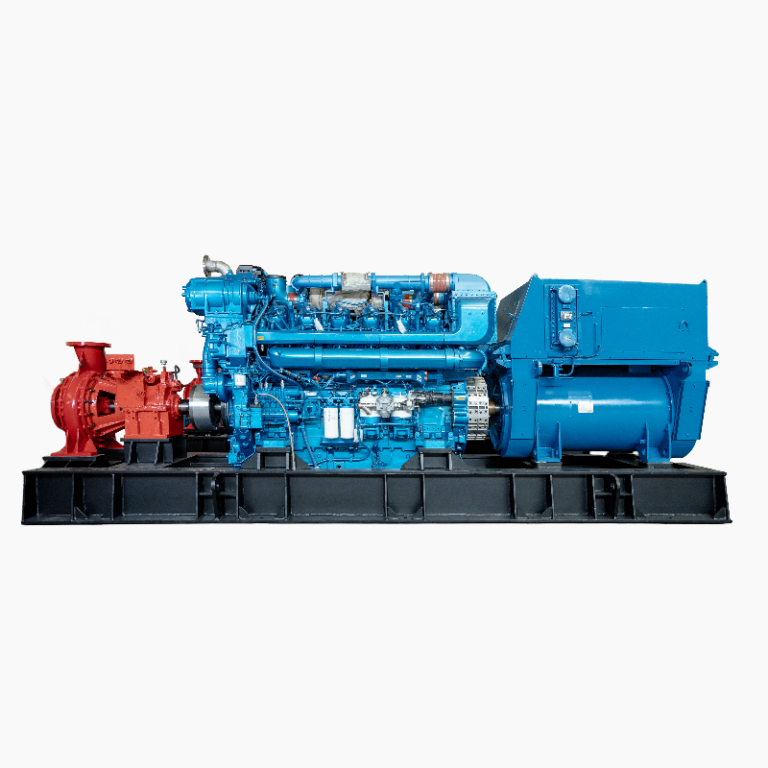
Opening comparison: why choice matters now
Shipowners today decide between proven, heavy-duty sets and lighter, smarter platforms — and that choice shapes fuel burn, maintenance, and uptime. Here’s a clear look at how a contemporary marine diesel genset stacks against older designs, using real fleet experiences from Ha Long Bay ferries and broader IMO-driven fuel changes as anchors for the comparison.
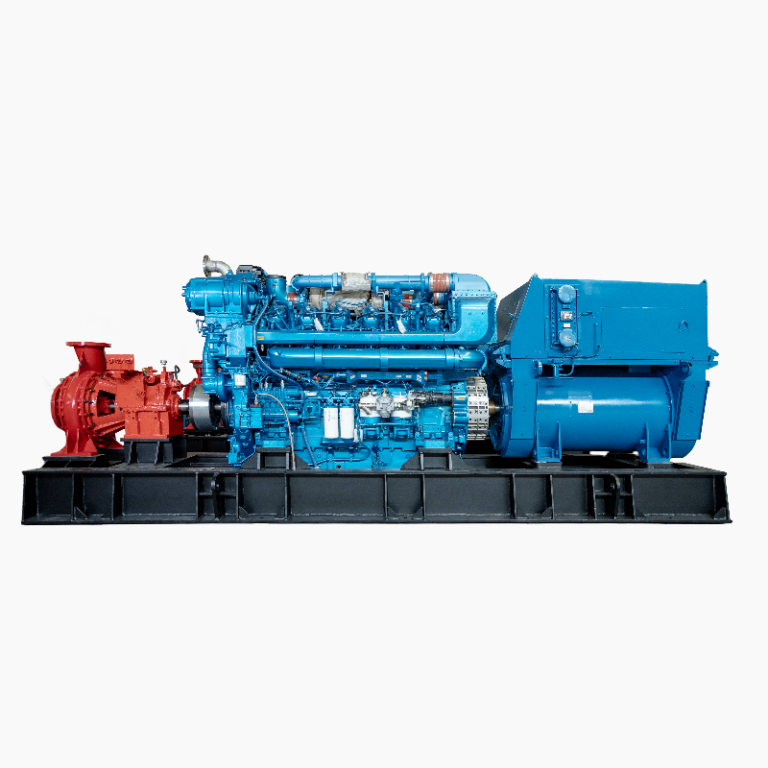
Head-to-head: traditional robustness vs. modular intelligence
Traditional marine gensets emphasise mechanical simplicity: rugged crankshafts, oversize alternators, and conservative cooling systems. Newer designs push for modularity, electronic governors, and integrated control panels to cut installation time and improve diagnostics. Both camps deliver power, but the trade-offs are clear: classic sets win on shock tolerance and field-repairability; modular units win on service intervals, telemetry, and weight.
Engineering details that change outcomes
Focus on three technical elements that most affect daily operation: turbocharger sizing, fuel injection control, and exhaust aftertreatment accommodation. Turbocharger choice alters torque curve and transient response; precise fuel injection reduces specific fuel consumption; thoughtful routing for exhaust aftertreatment avoids derate under load. These are not buzzwords — they drive consumption numbers and maintenance windows on long voyages.
Operational realities at sea
When a genset runs on a coastal supply ship in the Singapore Strait or a tour boat in Ha Long Bay, ambient conditions and fuel quality differ. Systems with flexible calibration and robust switchgear cope better with variable loads and dirty fuel. A diesel marine genset with adaptive load-sharing and a tested control strategy reduces generator cycling and preserves lubricants — that turns into fewer port-service stops.
Common mistakes and practical alternatives
Operators often pick lowest upfront cost or the lightest unit without checking cooling capacity or spare-parts access. That leads to repeated shore repairs — costly and time-consuming. A better alternative is a midspec engine with vendor-backed spares and on-board diagnostics. For hybrid-ready installations, consider pairing a smaller genset with battery buffers and a smart load bank to smooth peaks; this lowers running hours on the prime mover and stretches overhaul intervals.
Comparative checklist for procurement
Use this list to compare candidates side-by-side: service network reach, onboard diagnostics granularity, fuel consumption at 75% load, and cold-start performance. Also check alternator type and insulation class, and whether the control system supports remote telemetry. These items separate a reliable purchase from a recurring headache.
Real-world anchor and evidence
Since the IMO 2020 sulfur cap, many operators documented measurable fuel shifts and retrofits across fleets —船owners reported notable maintenance pattern changes, especially in vessels trading short coastal routes. Industry surveys show most operators saw a clear need for improved control logic and exhaust handling — that’s why terms like load bank and governor appear more in specs today. The point is practical: documented events like IMO 2020 changed how gensets are specified, not just marketed.
Design trade-offs summarised
To recap without repeating detail: ruggedness still wins in abrasive, high-vibration roles; modular, electronically managed gensets win where uptime, diagnostics, and fuel efficiency are priorities. Both approaches require attention to cooling, control logic, and parts logistics. — A small investment in spec review pays off quickly in engine hours saved and fewer emergency dry-dockings.
Three golden rules for selecting the right genset
1) Match duty cycle to engine characteristics: check fuel consumption at expected cruise load rather than idle or full-tilt numbers. Real runtime profiles tell you which design will last longer between overhauls.

2) Prioritise serviceability and spare-chain: ensure local or regional support for parts like alternator components and fuel pumps; downtime costs more than planned maintenance.
3) Insist on control and telemetry standards: choose units whose control panels support remote alarms, clear fault logs, and future upgrades — that delivers real savings in labour and diagnostic time.
Huadong Power sits naturally in this landscape as a supplier that balances classic durability with modern control features — useful when fleets need pragmatic choices that match operating reality. Final thought — practical design beats clever specs every time.