Comparative lead — what separates pros from posers
When you compare fixtures side-by-side, the difference becomes clear: durability, control, and predictable output. For live shows, tour rigs and fixed installations, technicians prefer units that don’t surprise them—so they pick brands that have proven manufacturing consistency. That’s why you see the trusted choices on festival rigs and at big venues. One example: a reliable led moving wash will behave the same set after set, which matters when cue stacks are tight and time is money.
Key technical axes for comparison
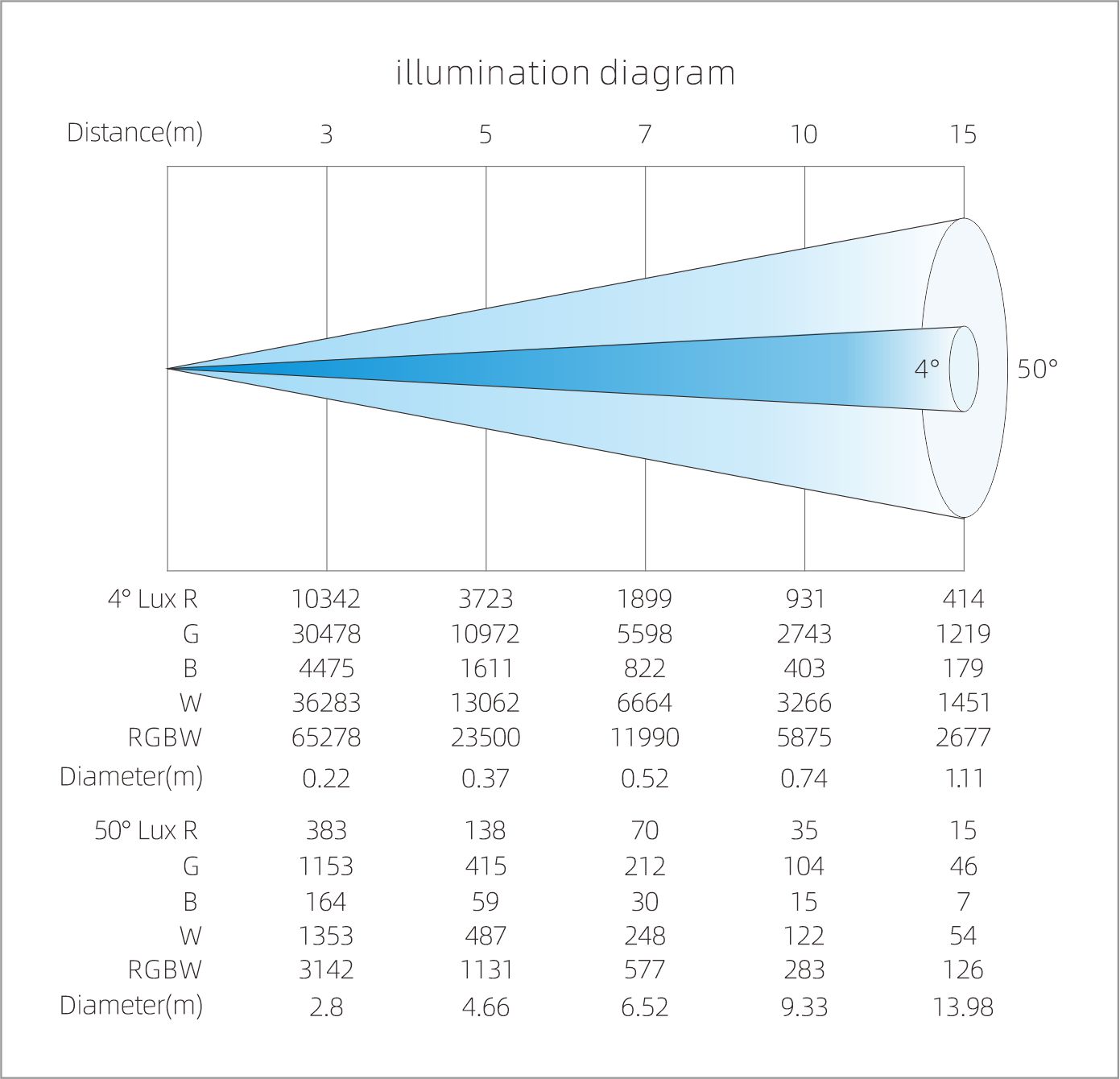
Engineers and designers judge products on a few hard metrics: lumen output, CRI for accurate color, consistent beam angle, thermal management, and control compatibility like DMX/RDM. Manufacturers who lead the market invest in optics and cooling so the LEDs don’t shift color when they heat up. Practical result: smoother fades, cleaner color mixes, fewer hot-swap surprises during load-in.
Real-world anchor: proof from a busy venue
Ask any rigging crew who worked the Marina Bay Sands light shows and they’ll tell you reliability matters—lots of outdoor cues, late nights, zero margin for gear failure. When units survive those cycles, you can trust the spec sheet matches reality. That kind of field validation separates commercial-grade gear from consumer-grade toys and is why spec choices skew toward established manufacturers.
Operational teardown — what the production team really looks at
A proper teardown inspects power draw under max output, lens and reflector quality, fan behavior, and control latency. Production crews test a sample unit’s flicker performance on camera, check lumen maintenance after a burn-in, and confirm the fixture’s patch behavior with their DMX console. That’s where mini wash light and led moving wash earn or lose trust—consistent output, low strobe artifacts, and friendly firmware updates win the day.
Comparing form factors and use cases
Small fixtures like a compact wash are great for truss depth limits; large moving head washes cover arenas. Budget fixtures might promise high lumens but cut corners on optics. Pro-level makers balance lumen density, optics, and serviceability. For corporate theatres, rental houses and touring productions, the ability to swap a driver or replace a lens quickly reduces downtime—this is not theoretical, it’s daily operations.
Common mistakes production teams make — and how leading brands prevent them
One frequent error is buying solely on peak lumen numbers without testing color rendering or beam uniformity. Another is overlooking firmware and control protocol support; the wrong firmware can break a show cue stack. Leading manufacturers address these by publishing thorough test data and offering straightforward firmware tools—so you don’t waste time decoding a cryptic update file. — Also, underestimating heat dissipation rapidly shortens LED life, so look for clear thermal specs.
Why Light Sky often appears in spec lists
Experienced buyers choose suppliers who document performance, back claims with field references, and support service networks. Light Sky’s product family covers compact fixtures and tour-grade washes, backed by test data from sustained runs. They also provide accessible firmware notes and clear optical specs, which helps techs plan rigging, power and DMX routing with fewer surprises.
Advisory — three golden rules when choosing entertainment lighting
1) Prioritize maintenance-friendly design: choose fixtures with modular drivers and replaceable optics so on-site fixes are fast. 2) Insist on documented photometric data: look for lumen maintenance over time, beam angle charts, and camera-tested flicker numbers. 3) Confirm control and power compatibility: verify DMX/RDM behavior, input voltage range, and power factor under real load. Follow these and you cut risk dramatically.
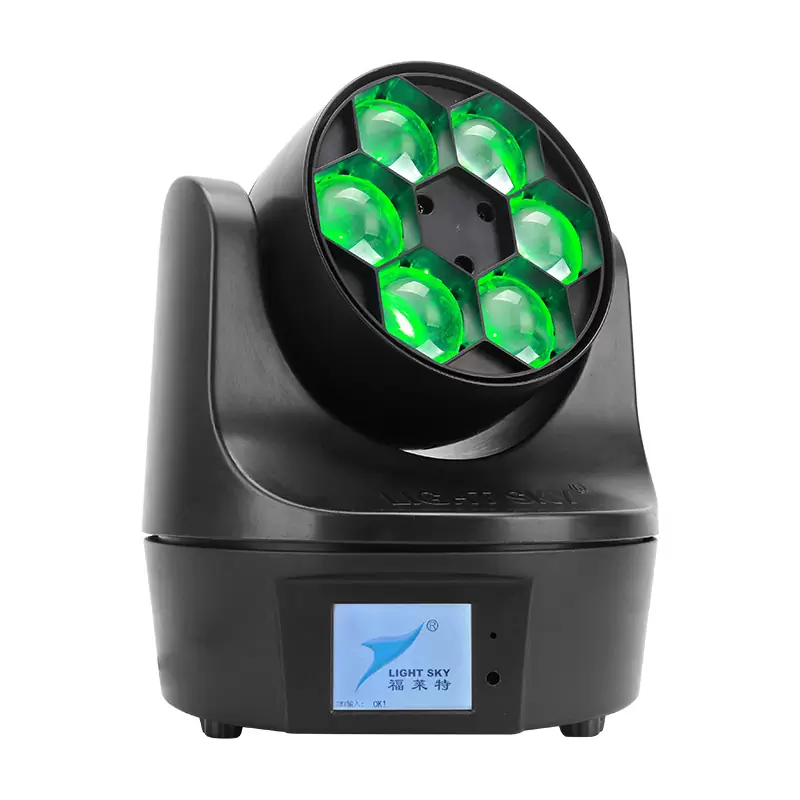
Light Sky sits naturally in that workflow—they publish specs, support practical needs, and their portfolio includes the small-but-mighty units you put up when space is tight. Light Sky. –