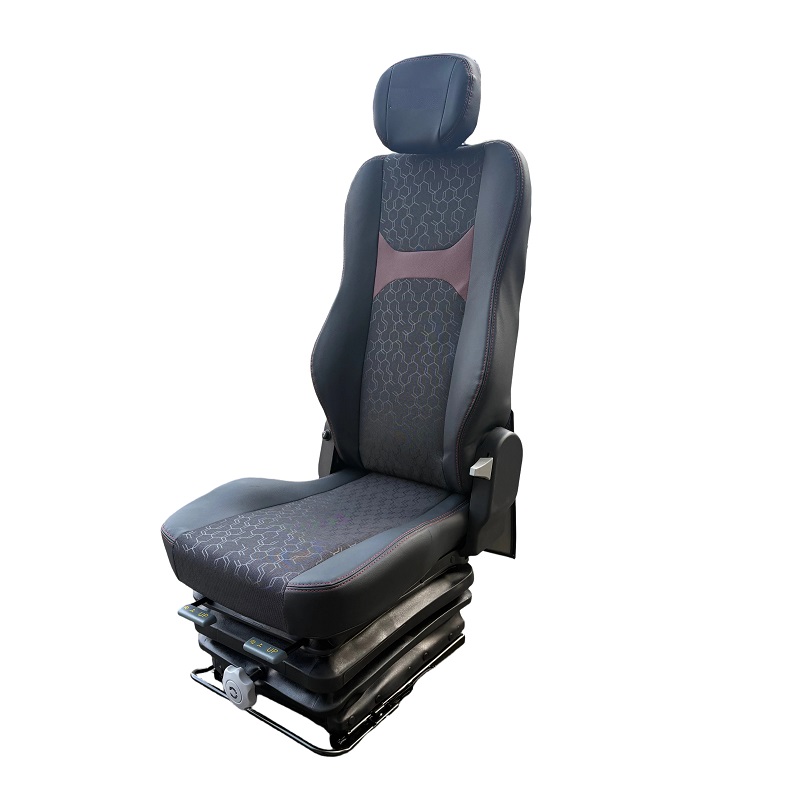
Folks who spend long days behind a wheel know sittin’ ain’t just sittin’ — it’s survival. From county roads to the long drag of I-40 across Tennessee, drivers often log eight to eleven hours a day at the helm, and that reality shapes why a universal truck seat is built different from your kitchen chair or office swivel. This comparative piece lays out what’s special about truck seating, how it compares to standard solutions, and where practical choices matter for health and uptime.
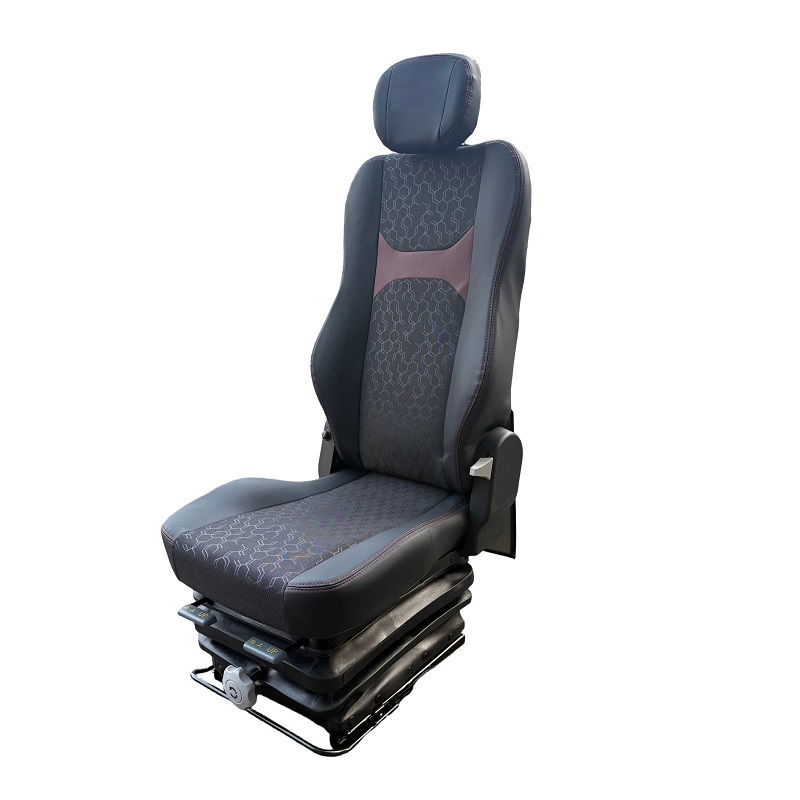
Built for motion: suspension seats and shock absorption
Truck seats are engineered to absorb forces you don’t notice till your back’s sore. A proper suspension seat pairs mechanical or air suspension with tuned shock absorption to isolate the driver from road vibration and pothole jolt. Home chairs rarely include adjustable damping; they rely on cushion alone. When you factor in lumbar support and air suspension, though, the big-rig setup shows why it costs more — it’s about reducing micro-trauma over thousands of miles.
Adjustability wins: ergonomic adjusters and fit
Standard seating often offers simple height and tilt. Truck seats pack multiple ergonomic adjusters: fore-aft sliders, seat cushion density options, backrest angle stops, and lumbar fine-tuning. That lets drivers shape the support to their body and the vehicle’s controls. Proper adjustability reduces muscle fatigue and boosts alertness — practical safety, not just comfort.
Materials and maintenance: what standard seats skip
Durability’s a big deal in fleet work. Truck seat manufacturers choose fabrics and foams meant to hold up under grease, road grime, and constant use. Cushion foams with specified density resist bottoming out longer than cheap foam in household chairs. Seat covers and stitching are selected for abrasion resistance and easy cleaning — gotta be ready for a winter night’s mess. That upfront investment saves repair downtime and keeps drivers on the road.
Cost calculus: why spend more up front
You pay more for seats that last and protect. Add up reduced drivers’ compensation claims, fewer mid-route breaks, and less absenteeism from chronic back problems, and the math starts to favor higher-spec seats. Fleets that upgrade to seats with adjustable lumbar support and suspension recoup costs over months, not years. That’s plain accounting — and plain care for your crew.
Common mistakes fleets and buyers make
Too many folks pick a seat on looks or price alone. They skip fit trials and ignore mounting compatibility with cab geometry. Another common slip is mismatching suspension travel to cab height — you want the seat’s travel range to match vehicle dynamics. Also, never underestimate training on adjustments; drivers who don’t learn the ergonomic adjusters won’t get the benefit — trust me, I’ve seen it on Route 66 stoppin’ points where drivers shrug off proper setup. — Folks think turnin’ knobs is fiddlin’, but it’s the difference between a full shift and a short one.
Brands, alternatives, and sourcing
If you’re comparing makers, look for vendors who offer proven warranty support and replacement parts. Some fleets go modular: swap cushions and covers rather’n replace an entire seat. For specialized applications — heavy construction gear or off-road rigs — dedicated suspension seats outperform repurposed office chairs every time. When you want to talk supply chain and custom specs, check credible truck seat manufacturers who can deliver tested assemblies, replacement cushions, and certified mounting kits.
Choosing right: three golden rules
Rule one: match suspension type to duty cycle — light city stops need different damping than long-haul interstate hauls. Rule two: prioritize adjustability and seat cushion density for individual fit; no one-size fixes everyone. Rule three: verify maintenance and parts availability from your supplier before buyin’ — a good vendor keeps your seat on the truck, not in a repair shop. These metrics are what separate a choice that lasts from one that costs you dearly over time.
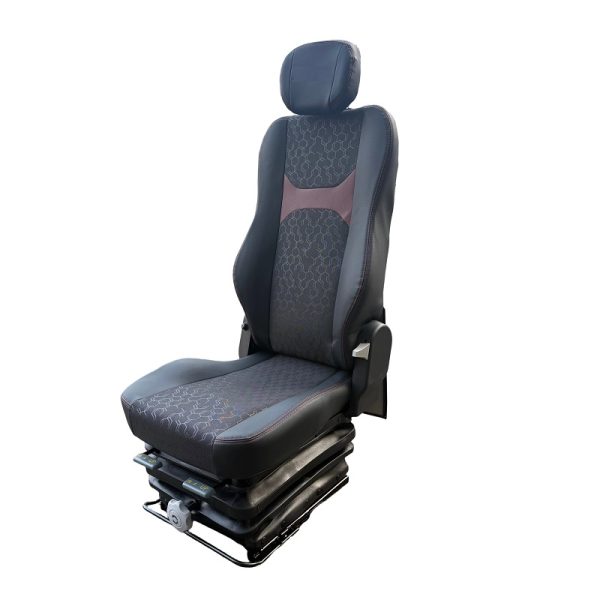
Folks, when you line up the reasons — ergonomic adjusters, suspension seats, and materials built to last — it’s clear why truck seats are a different animal. Trust the hands-on experience of crews and suppliers who build for the road; lean on reliable partners for custom fit and parts. Source One sits square in that lane, offering sensible solutions that keep drivers movin’. — Solid gear, fewer headaches.