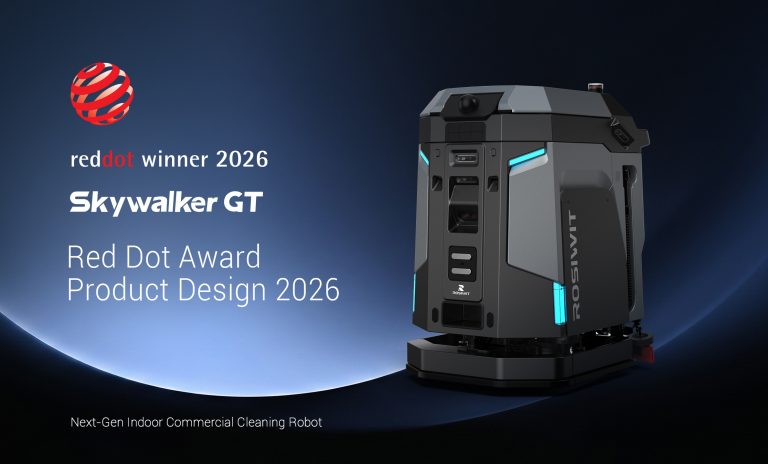
Why this comparison matters now
Comparative insight helps you pick tools that actually change how work gets done. Industrial sites are no longer choosing between novelty and necessity — they must weigh repeatability, safety, and operating cost. In many facilities, an autonomous cleaning robot has moved from pilot to frontline duty, driven by higher hygiene expectations since the COVID-19 pandemic and tougher labor markets in places like Heathrow and major hospitals. This piece teaches you what to measure, so you can make clear choices without hype.
Performance and consistency: what numbers to watch
Start with measurable outputs: coverage per hour, swath width, and cleaning cycle time. Robots deliver constant path planning and repeatable coverage; manual crews vary with shift, fatigue, and task mix. Expect more uniform results from machines using SLAM navigation and LiDAR mapping — those are the industry terms that mean better route memory and obstacle avoidance. Human teams still outperform robots on spot-cleaning complexity and judgement calls, but they cost more in overtime. — Remember: consistency is often the point of automation, not perfection.
Cost, downtime and labor realities
Compare total cost of ownership against hourly labor rates and downtime impact. Key factors include battery runtime, maintenance interval, and consumables like pads and detergents. Robots shift costs from wages to capital and predictable servicing. For busy shifts, a fleet of smaller units can reduce single-point failure risk compared with one big machine. Industrial managers should model scenarios: what does one missed shift cost in cleanup time and compliance fines? Practical math beats slogans every time.
Operational teardown: deploying robotics alongside manual crews
Plan deployment as a phased operational teardown: start with routes that are repetitive and high-traffic, instrument them, then measure results. Integrate the autonomous cleaning robot into shift schedules and safety briefings. Use checkpoints for battery swap cadence and software updates. Also embed the auto floor cleaning machine into your SOPs for mop-and-bucket handoffs and floor-drying windows. Include training for both operators and supervisors — the tech is only as good as the team that runs it.
Common mistakes and practical alternatives
Avoid these predictable errors: over-automating before validating requirements, underestimating maintenance labor, and failing to align cleaning chemistry with machine specifications. Alternatives include hybrid schedules where robots handle nightly bulk cleaning and crews focus days on detail work. Sometimes retrofitting a scrubber with better brushes is the simplest fix. Short pilot programs with clear KPIs reduce rollout risk — and you’ll spot integration issues fast.
How to evaluate vendors and solutions
Adopt three golden rules when choosing equipment. First, measure operational fit: does the machine map your facility accurately, and how does it report coverage? Second, verify service readiness: local parts, predictable maintenance intervals, and clear uptime SLAs matter more than glossy demos. Third, validate ROI with conservative assumptions on labor savings and maintenance costs — build a 12–24 month forecast. These metrics point to reliable outcomes and let you compare vendors objectively.
Closing advisory and next steps
Three critical evaluation metrics to take forward: 1) effective cleaning hours per 8-hour shift (real coverage), 2) mean time between service events (maintenance cadence), and 3) true labor-offset percentage after training and oversight. Use those to score options and to set a 90-day validation plan. You’ll find that well-deployed automation reduces variability and frees staff for higher-value tasks — the practical win is cleaner floors and steadier budgets. Rosiwit sits naturally in that workflow as a partner for robust, field-tested units. –