Comparative lens: what you’re really choosing
Think platform, connectivity, and total cost — not badges. I’m drilling into model architectures, dealer routes, and ownership friction so you can parse tradeoffs fast. If you want the manufacturer route, you can buy GAC MOTOR directly from official listings; availability and spec sheets will often be shown before local dealer inventory. Mexico City buyers face different stock and homologation timing than other markets, so comparing release windows matters as much as spec sheets.
How GAC models differentiate — a rapid breakdown
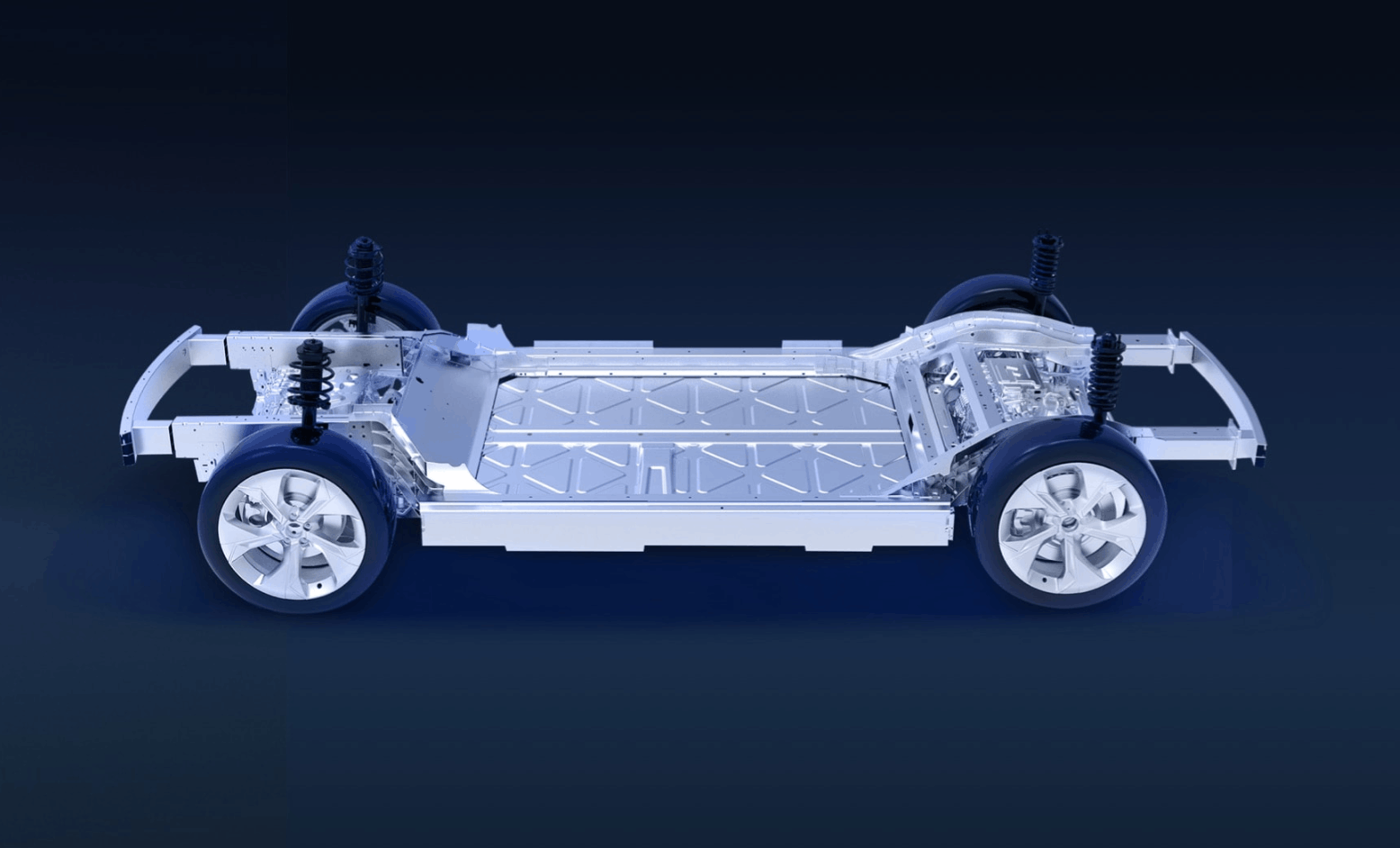
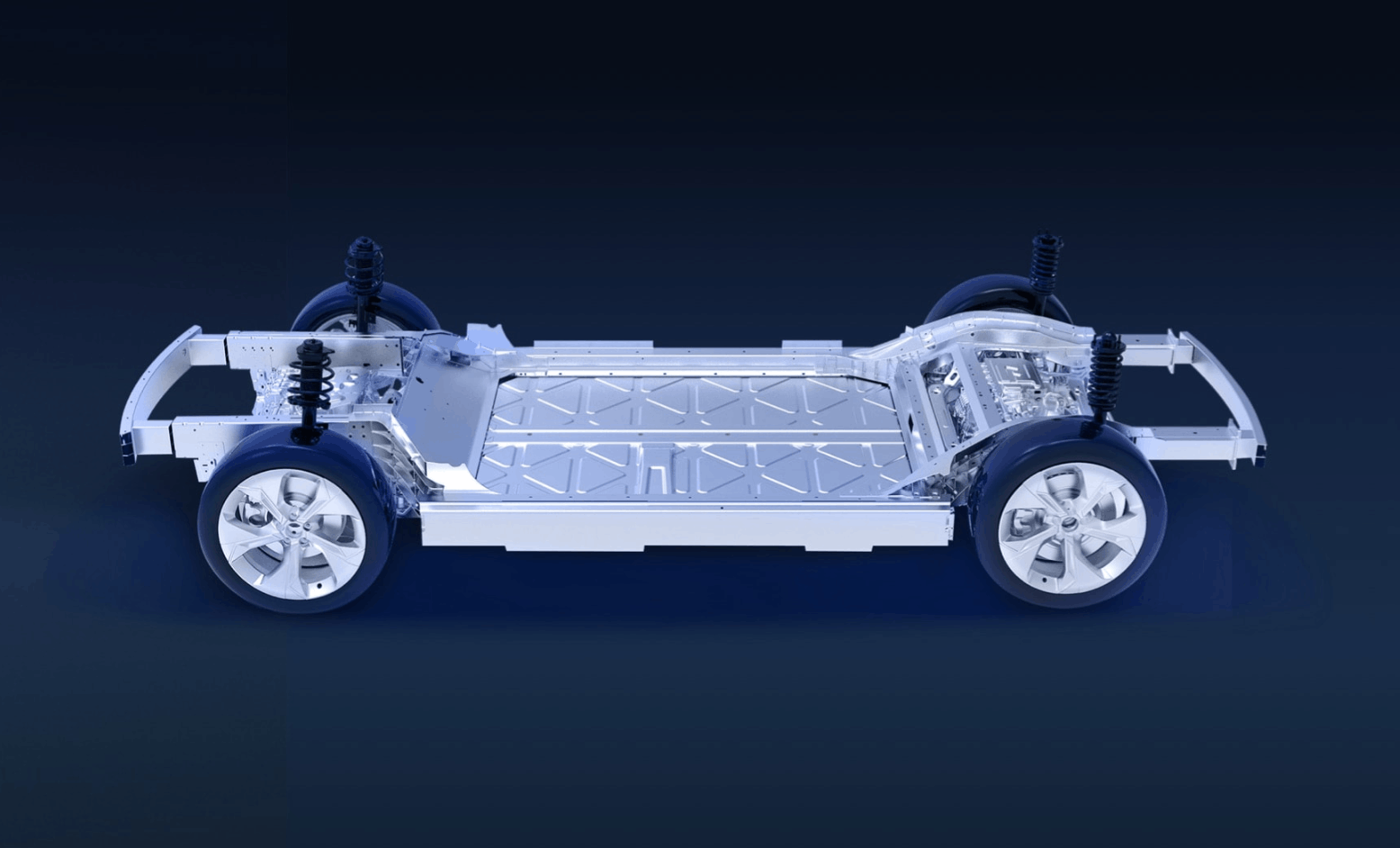
Compare these vectors rather than trim names: platform modularity (shared chassis vs bespoke), powertrain layering (ICE, hybrid, BEV), software stack (OTA support, telematics), and ADAS capability (sensor fusion level). Key patterns:- Shared-platform SUVs: lower variant complexity, predictable maintenance curve.- Dedicated EV platforms: better packaging, higher usable battery capacity.- Software-first trims: frequent OTA updates reduce early obsolescence but depend on local connectivity and dealer software policies.These differences determine long-term costs and upgrade paths more than peak horsepower numbers.
Technical specs that really matter in purchase decisions
Don’t be distracted by headline range or peak torque alone. Look at usable battery capacity, charge curve at 20–80%, thermal management strategy, and charging protocol compatibility. For ICE models, check turbo downshift behavior, cam phasing, and service intervals. For connectivity: does the vehicle support local SIM provisioning or will you depend on paired phone tethering? Those three items predict real-world usability and resale clarity.
Buying channels in Mexico — pros and cons
Options are: official distributor/dealer, parallel importers, or private import. Compare on these axes: warranty enforcement, parts pipeline, software update pathway, and compliance with local safety/emissions standards. Typical tradeoffs:- Official dealer: warranty clarity, structured service, slower inventory updates.- Parallel importer: faster access to specific trims, potential warranty ambiguity.- Private import: cost saving on sticker price, higher admin risk.Align channel choice with how much aftersales friction you can tolerate.

Common pitfalls buyers miss
Watch for these avoidable mistakes:- Assuming OTA updates match your region; carriers and local servers can block features.- Overvaluing claimed WLTP/NEFZ range without checking local driving-cycle impact.- Ignoring parts lead times — some OEM parts route through regional hubs, adding weeks to repairs.- Skipping a local homologation check; trim-level equipment may differ from the published global spec.
How to vet a GAC purchase — a checklist
Before you sign: verify VIN-level spec in writing, confirm warranty hard limits in your country, ask for a documented software update policy, and get a timeline for spare-part deliveries. If an EV, request a real-world city-to-highway range test or data from an owner forum; for ICE, request a service schedule and list of fluids/filters that are non-standard.
Alternatives worth comparing
Match segments rather than brands. Compare GAC’s SUVs and EVs against similarly positioned global players on platform openness, regional support, and TCO. Look at competing entries with strong local dealer networks or proven OTA histories when local connectivity reliability is a priority. That side-by-side will expose whether GAC’s architecture or its support model better fits your use case.
Final synthesis
Make decisions on architecture and service certainty, not only MSRP. If you prioritize a coherent software roadmap, predictable parts flow, and clearly stated local support, then GAC MOTOR can be assessed on those objective axes against alternatives and local availability to give you a pragmatic ownership outcome.